The Best Homemade Croissant Recipe
Recipe
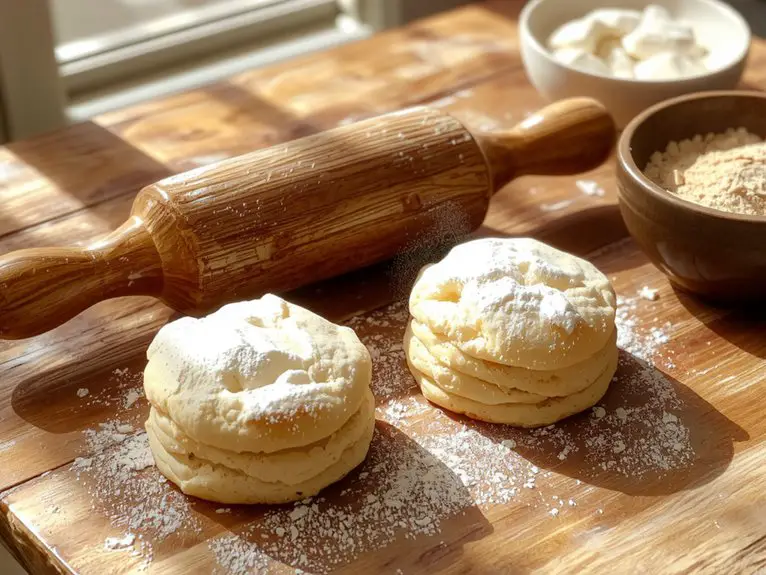
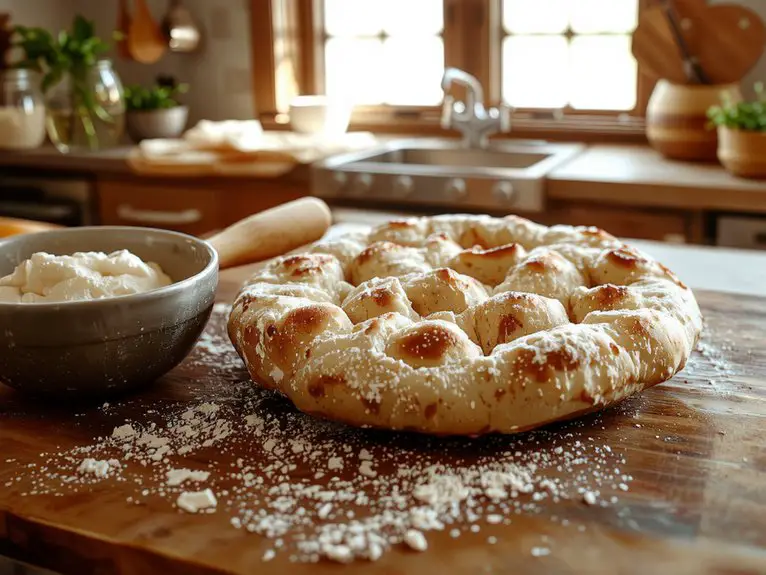
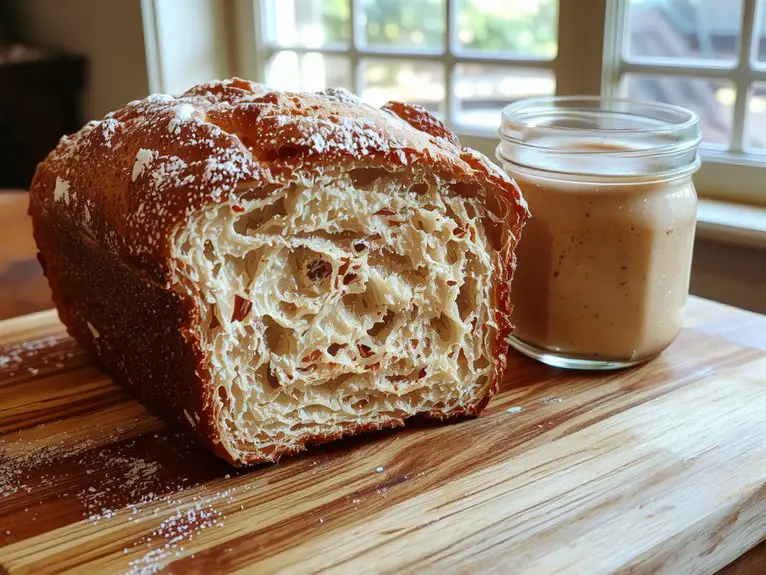
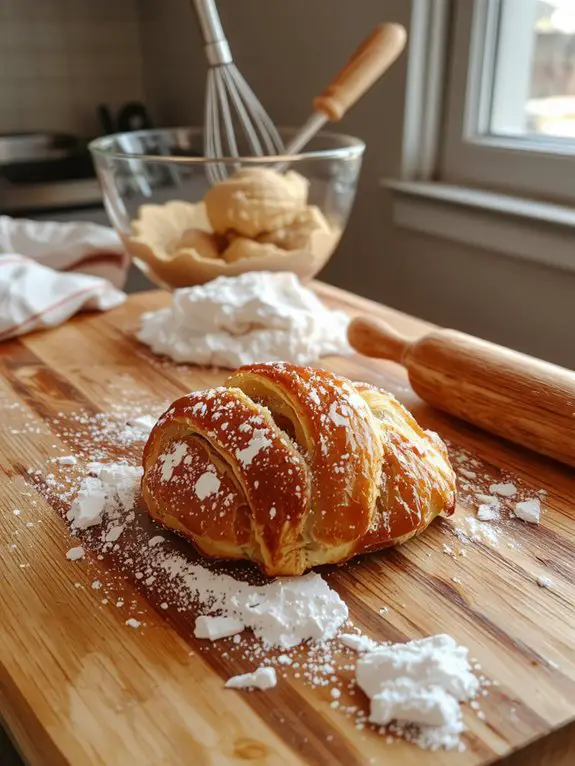
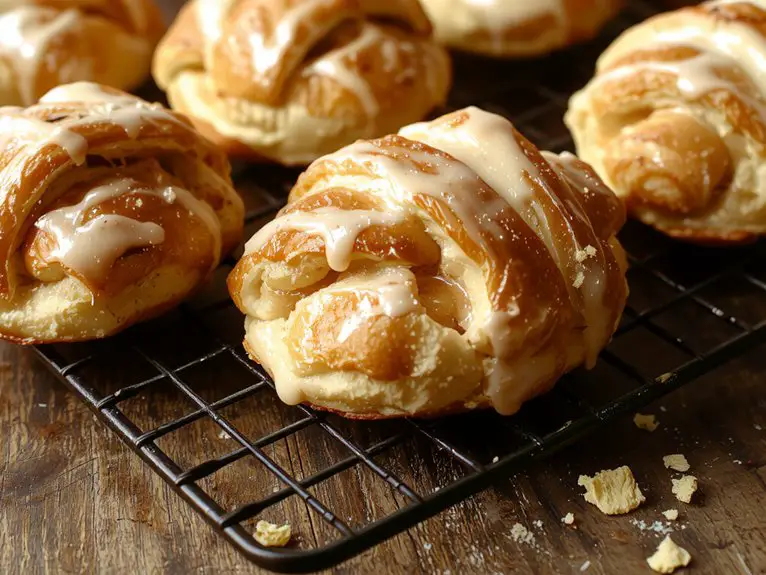
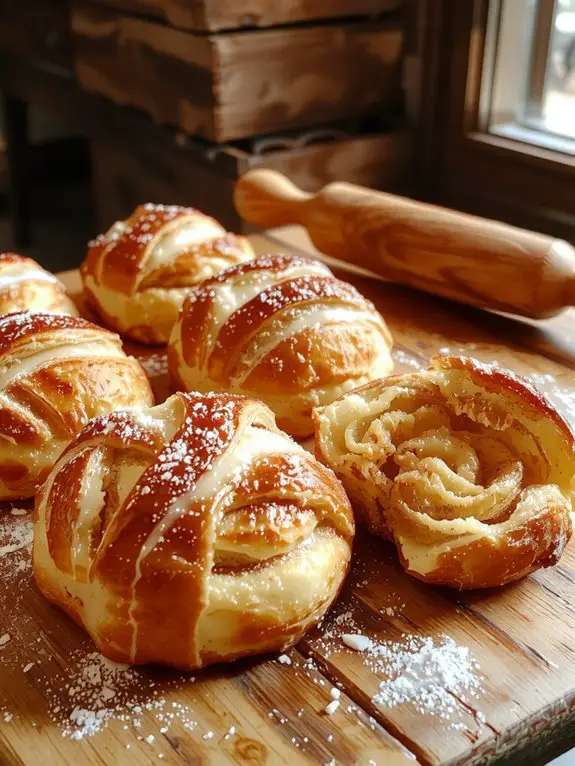
There’s something magical about biting into a homemade croissant—crispy, buttery layers shattering to reveal a tender, airy center. Forget the bakery; once you master this recipe, you’ll never look back.
The secret? Cold butter, patience, and a little love for the process. Picture golden crescents fresh from the oven, their aroma filling your kitchen with the kind of warmth that makes weekends feel special.
Sure, it takes time, but trust me, the moment you pull these flaky beauties out of the oven, you’ll know it was worth every fold. Let’s make croissants so good, they’ll ruin store-bought ones for you forever.
Ingredients
Making croissants from scratch is a labor of love, and the ingredients you choose can make or break the final product. High-quality, precise ingredients are essential for achieving those flaky, buttery layers that define a perfect croissant. Here’s what you’ll need, along with a few insider tips to guarantee success:
– All-purpose flour: Opt for a high-protein flour (around 11-12%) to give the dough structure and elasticity.
*Pro tip:* Bread flour can be used for extra strength, but balance it with some pastry flour for tenderness.
– Unsalted butter: Use European-style butter (higher fat content) for maximum flavor and layering.
*Non-negotiable:* Cold butter is key for creating those distinct layers.
– Granulated sugar: Just a touch to enhance flavor and aid in browning.
*Swap:* Honey or maple syrup can be used sparingly for a subtle twist.
– Yeast: Active dry Yeast or instant yeast works—activate it properly for a good rise.
*Pro tip:* Proof yeast in warm milk (not hot) to confirm it’s alive and active.
– Milk: Whole milk adds richness and tenderness to the dough.
*Swap:* If needed, substitute with a plant-based milk like almond or oat milk.
– Salt: Enhances flavor and balances sweetness—don’t skip it.
*Pro tip:* Use fine sea salt for even distribution.
– Egg: Egg wash (egg + milk) is essential for that golden, glossy finish.
*Little win:* Sprinkle a pinch of sugar on top for extra shine and crunch.
– Optional extras: Vanilla extract or almond extract for a subtle flavor boost, and a dusting of powdered sugar for serving.
How to Make the Best Flaky Butter Croissant Recipe
- Prepare the Dough
- Mix flour, sugar, salt, and yeast in a bowl. Gradually add warm milk while stirring until a shaggy dough forms. The dough should be slightly sticky but manageable.
- Pro Tip:Use cold hands to prevent the butter from melting too soon.
- Knead the Dough
- Turn the dough onto a lightly floured surface and knead for 5-7 minutes until smooth and elastic. Avoid over-kneading, as it can make the croissants tough.
- Watch Out:If the dough sticks too much, lightly dust with flour—don’t add too much or the croissants will be dry.
- First Rise
- Shape the dough into a ball, place it in a greased bowl, cover with a damp towel, and let it rise in a warm place for 1-2 hours until doubled in size.
- Why It Matters:Proper rising guarantees a light, airy texture.
- Laminate the Butter
- Roll out the dough into a rectangle. Place cold, flattened butter in the center, fold the dough over like an envelope, and seal the edges.
- Pro Tip:Keep everything cold—if the butter softens, chill the dough for 10 minutes before continuing.
- Fold and Chill
- Roll the dough into a long rectangle, fold it into thirds (like a letter), and chill for 30 minutes.
- Repeat this process 2-3 times for flaky layers.
- Watch Out:Don’t skip chilling—it prevents butter from melting and guarantees defined layers.
- Shape the Croissants
- Roll the dough into a large rectangle, cut into triangles, and roll each tightly from the base to the tip.
- Curve the ends slightly to form a crescent.
- Visual Cue:The layers should be visible when rolled—don’t press too hard.
- Second Rise
- Place shaped croissants on a baking sheet, cover lightly, and let rise for 1-2 hours until puffy.
- They should jiggle slightly when shaken.
- Flexibility:If short on time, let them rise overnight in the fridge for deeper flavor.
- Bake to Perfection
- Brush croissants with egg wash and bake at 375°F (190°C) for 15-20 minutes until golden brown and crisp.
- Pro Tip:Rotate the pan halfway for even browning.
- Cool and Enjoy
- Let croissants cool on a wire rack for 10 minutes before serving.
- The layers will crisp up as they cool.
- Why It Matters:Cutting too soon releases steam, making them soggy.
Nutrition
Croissants are a delicious buttery pastry, but they are not the healthiest option. Here’s the nutritional breakdown per serving:
| Calories | Fat | Carbs | Protein | Fiber | Sugar |
|---|---|---|---|---|---|
| 231 | 12g | 25g | 5g | 1g | 4g |
Chef Tips
While croissants mightn’t be the healthiest choice, getting them just right takes some know-how. Keep butter cold but pliable—it should bend without breaking.
Fold dough evenly for uniform layers. Don’t rush proofing; let them rise slowly for maximum flakiness.
Egg wash lightly for golden shine. Bake at high heat initially, then lower to guarantee crispness without burning.
Practice makes perfect—don’t get discouraged if first attempts aren’t flawless.
Frequently Asked Questions
Can I Freeze the Dough Before Baking?
Yes, I can freeze the dough before baking. I’ll portion it, wrap it tightly in plastic, and store it in a freezer bag. When ready to bake, I’ll thaw it in the fridge overnight before shaping and proofing.
How Long Do Croissants Stay Fresh?
I’ve found that croissants stay fresh for about 1-2 days at room temperature if kept in an airtight container. If I refrigerate them, they’ll last up to 5 days, but they’re best enjoyed fresh.
What’s the Best Way to Store Leftover Croissants?
I’d store leftover croissants in an airtight container or wrap them tightly in plastic or foil at room temperature for a day. For longer freshness, I’d freeze them in a sealed bag and reheat when ready to eat.
Can I Use Margarine Instead of Butter?
I’d avoid margarine if I were you—croissants rely on butter’s flavor and texture. Substituting might make them less flaky or rich. Stick to butter for authentic results, even if it takes a bit more effort.
Why Did My Croissants Turn Out Flat?
Your croissants turned out flat because the dough might’ve been over-proofed or under-proofed, the butter layers weren’t properly chilled, or the dough wasn’t rolled out evenly. I’d check my technique and timing next time to fix it.