The Best Homemade Focaccia Bread Recipe
Recipe
There’s something magical about homemade focaccia—crispy edges, a tender crumb, and those irresistible dimpled pockets of olive oil. This recipe? It’s foolproof, no-knead, and guaranteed to make your kitchen smell like an Italian bakery.
The secret? Patience (and a generous drizzle of good olive oil). Whether you’re a bread-baking novice or a seasoned pro, this focaccia is your ticket to chewy, golden perfection.
Imagine tearing into a slice still warm from the oven, the crust crackling, the inside pillowy soft—pure bliss. Trust me, once you try this, store-bought bread will never cut it again.
Let’s bake this masterpiece.
Ingredients
To make the perfect focaccia, start with the freshest ingredients you can find. The simplicity of this bread means every component shines, so quality matters.
The olive oil, in particular, is a star player—it gives the focaccia its signature golden crust and rich flavor. Fresh yeast or instant yeast? Both work, but instant yeast is more forgiving for beginners.
- Flour: Use high-quality bread flour for the best texture—its higher protein content creates that chewy, airy crumb. All-purpose flour works in a pinch but won’t be quite as light.
- Water: Lukewarm water activates the yeast—too hot and you’ll kill it, too cold and it won’t rise.
- Yeast: Instant yeast is my go-to for ease, but active dry yeast works too—just activate it in warm water first.
- Salt: Fine sea salt is essential—it balances the flavor and strengthens the gluten.
- Olive oil: Use extra virgin olive oil for both the dough and drizzling—it’s non-negotiable for that rich, savory flavor.
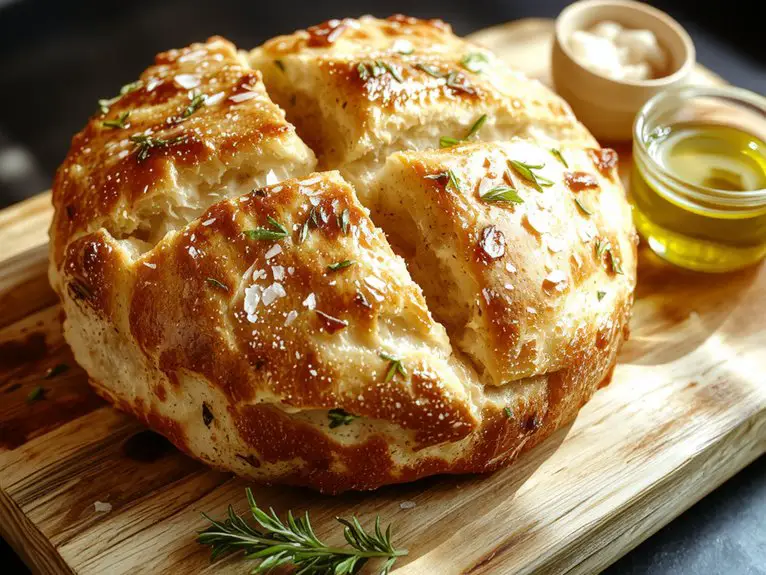
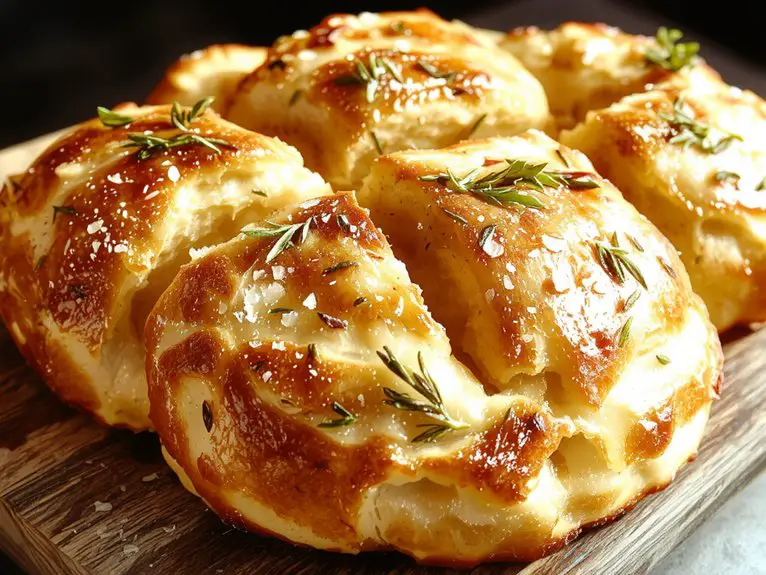
- Toppings: Keep it classic with flaky sea salt and rosemary, or get creative with cherry tomatoes, olives, or caramelized onions.
Pro tip: Don’t skimp on the olive oil—it’s what makes focaccia famously crispy and indulgent. And if you’re out of bread flour, all-purpose flour will do, but expect a slightly denser loaf.
How to Make the Best Italian Focaccia Bread Recipe
- Begin by activating the yeast: In a large bowl, mix warm water (around 110°F) with sugar and yeast. Let it sit for 5–10 minutes until frothy. This confirms your yeast is alive and ready to work its magic.
- Combine the flour, salt, and olive oil in the bowl with the yeast mixture. Stir until a shaggy dough forms. The oil adds richness and keeps the bread moist.
- Knead the dough on a lightly floured surface for about 8–10 minutes until smooth and elastic. Proper kneading develops gluten, giving the bread structure and chewiness.
- Place the dough in a greased bowl, cover with a damp towel, and let it rise in a warm spot for 1–2 hours or until doubled in size. Patience is key—don’t rush this step!
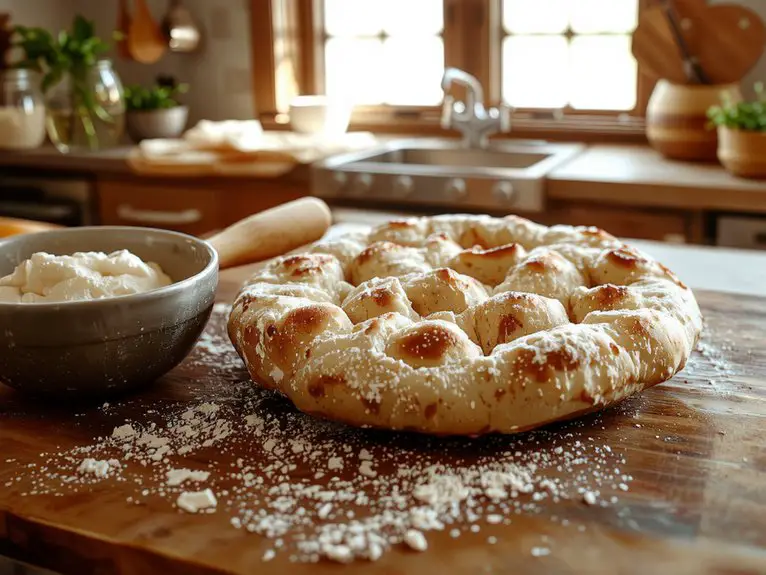
- Preheat your oven to 425°F and lightly oil a baking sheet or pan. Press the risen dough into the pan, dimpling it with your fingertips. This step creates those signature focaccia pockets.
- Drizzle the dough generously with olive oil and sprinkle with flaky sea salt, rosemary, or other toppings of your choice. The oil keeps the crust crispy and adds flavor.
- Bake for 20–25 minutes until golden brown and fragrant. Check for doneness by tapping the bottom—it should sound hollow.
- Let the focaccia cool slightly before slicing. This allows the flavors to settle and makes it easier to cut cleanly.
Pro Tip: For extra flavor, let the dough rest overnight in the fridge for a slow, cold fermentation. It deepens the taste and texture!
Watch-Out: Avoid overhandling the dough after it’s risen to keep it light and airy.
Flexibility: Adjust toppings to your preference—try garlic, olives, or cherry tomatoes for variety.
Nutrition
This homemade focaccia bread is not only delicious but also provides essential nutrients. Below is the nutritional information per serving.
| Nutrition | Amount Per Serving |
|---|---|
| Calories | 200 kcal |
| Total Fat | 7 g |
| Saturated Fat | 1 g |
| Cholesterol | 0 mg |
| Sodium | 350 mg |
| Total Carbohydrates | 30 g |
| Dietary Fiber | 2 g |
| Sugars | 1 g |
| Protein | 5 g |
Chef Tips
Making focaccia bread at home doesn’t have to be complicated—it’s all about mastering a few key techniques.
Use warm water (not hot) to activate yeast. Let dough rise until doubled—patience pays off.
Dimple deeply with oiled fingers for crisp edges. Top sparingly; too many toppings weigh it down.
Bake until golden, not pale. Rest before slicing to keep it fluffy.
Trust the process, and you’ll nail it every time.
Frequently Asked Questions
Can I Use Gluten-Free Flour for This Recipe?
Yes, I’ve tried using gluten-free flour for focaccia, and it works, but it’s trickier. I usually mix gluten-free flour with xanthan gum for better texture. Don’t expect it to rise as much, though. Adjust water slightly if needed.
How Long Does Homemade Focaccia Stay Fresh?
Homemade focaccia stays fresh for about 2 days if I keep it wrapped tightly or in an airtight container. After that, it starts to dry out, though I can refresh it in the oven briefly.
Can I Freeze Focaccia Dough for Later Use?
Yes, I freeze focaccia dough all the time. I wrap it tightly in plastic wrap or place it in a freezer bag, then thaw it overnight in the fridge before letting it rise and baking. It works perfectly.
What’s the Best Oil to Use for Focaccia?
I’d use extra-virgin olive oil—it gives focaccia rich flavor and a crispy crust. You’ll need it for the dough and pan. Don’t skimp; a good quality oil makes all the difference in taste and texture.
Can I Add Toppings Other Than Rosemary and Salt?
Yes, you can add tons of toppings besides rosemary and salt! I love using olives, sun-dried tomatoes, caramelized onions, or even garlic. Just press them into the dough before baking, and they’ll add so much flavor.