The Best Homemade French Bread Recipe
Recipe
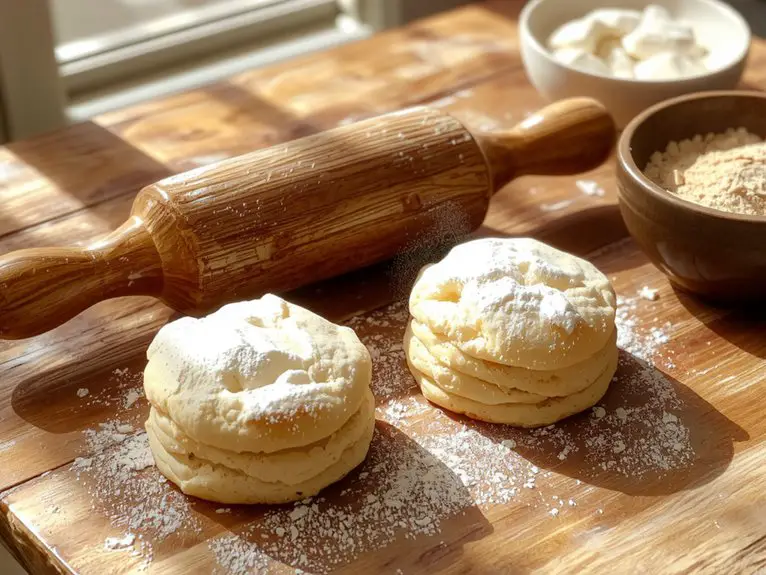
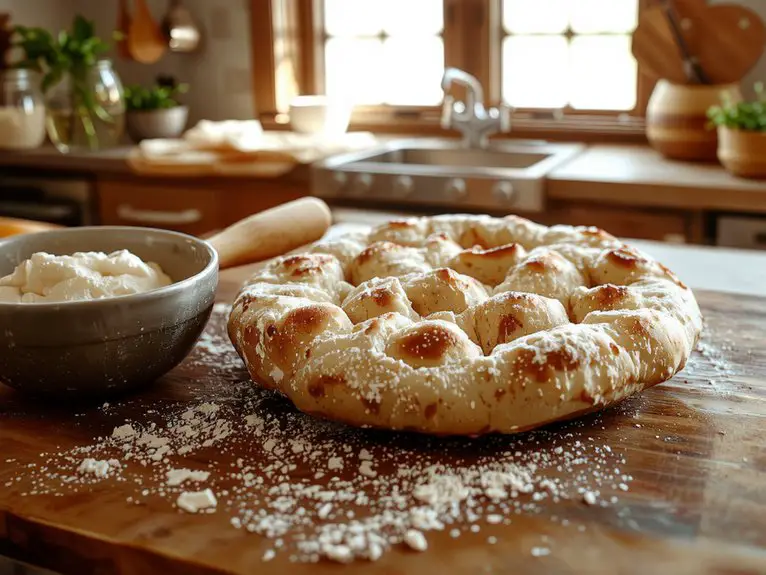
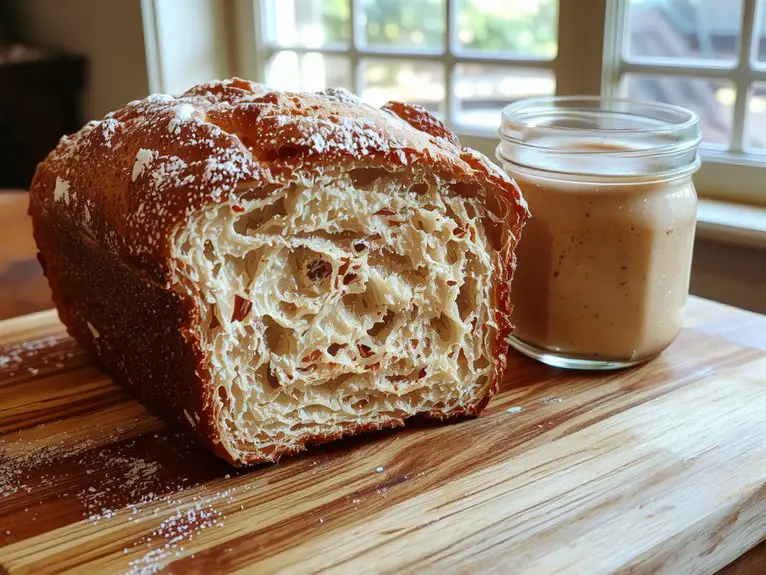
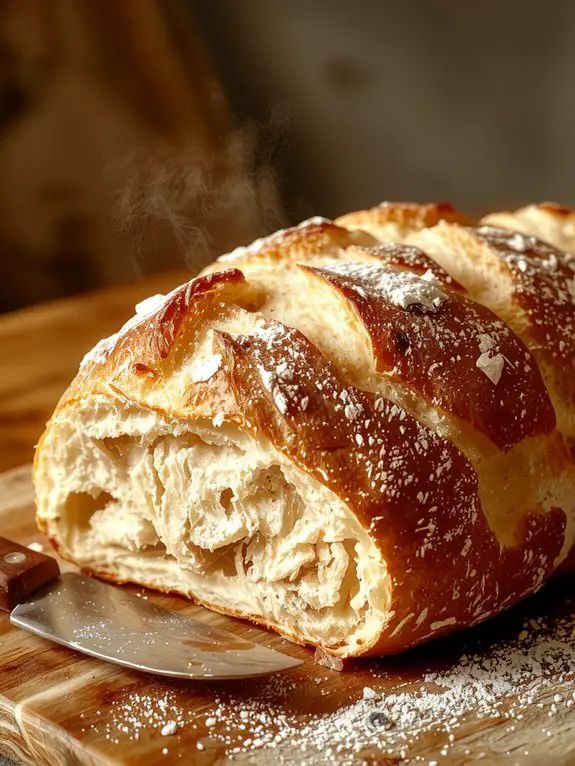
This homemade French bread recipe is a game-changer—once you try it, store-bought loaves will pale in comparison. With just a handful of simple ingredients and a little patience, you can create a loaf that’s crusty on the outside, soft and airy on the inside, and smells like a Parisian bakery right in your own kitchen.
The secret? A slow rise that develops deep flavor and a quick blast of steam in the oven for that signature crackly crust. Trust me, slicing into a warm loaf fresh from the oven, slathering it with butter, and hearing that satisfying crunch is pure magic.
Whether you’re a seasoned baker or a newbie, this recipe is foolproof and worth every minute. Let’s get baking!
Ingredients
The beauty of homemade French bread lies in its simplicity—just a handful of quality ingredients come together to create a crusty, airy loaf that rivals any bakery. Here’s what you’ll need:
Essentials
- Bread Flour: Opt for bread flour for its higher protein content, which creates that chewy, perfect crumb. All-purpose flour can work in a pinch, but the texture won’t be the same.
- Active Dry Yeast: Fresh yeast can also be used, but active dry yeast is reliable and easy to store.
Make sure it’s not expired—fresh yeast is non-negotiable for a good rise.
– Water: Use lukewarm Water (around 105°F) to activate the yeast. Too hot, and it’ll kill the yeast; too cold, and it won’t activate properly.
Enhancers
- Salt: Don’t skimp—salt balances the flavor and strengthens the gluten structure. Sea salt or kosher salt works best.
- Sugar: Just a pinch helps feed the yeast and enhances browning. Honey or maple syrup can be a fun substitute for a hint of sweetness.
Optional Add-Ins
- Olive Oil: Adds richness and keeps the bread moist. It’s not traditional, but it’s a chef’s secret for an extra-supple loaf.
- Egg Wash: Brush the loaf with a beaten egg before baking for a glossy, golden crust.
Pro Tip: Letting the dough rest overnight in the fridge develops deeper flavor, so plan ahead if you can.
How to Make the Best Crusty French Bread Recipe
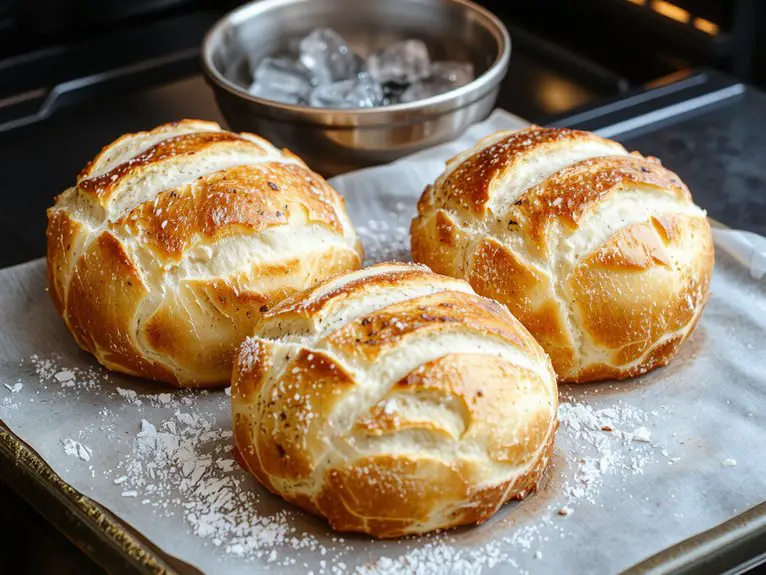
- Second rise – Place loaves on a parchment-lined baking sheet, cover, and let rise 30–45 minutes until puffy. *They won’t double this time—just look pillowy.*
- Score the tops – Use a sharp knife or razor to make 3–4 diagonal slashes (¼-inch deep) on each loaf. *This controls expansion during baking for an even crust.*
- Bake with steam – Preheat oven to 450°F with a pan on the bottom rack.
Bake loaves 20–25 minutes, adding ice cubes to the hot pan for steam in the first 5 minutes. *Steam = crispy crust!*
Visual cue: Golden-brown tops and hollow sounds when tapped mean they’re done.
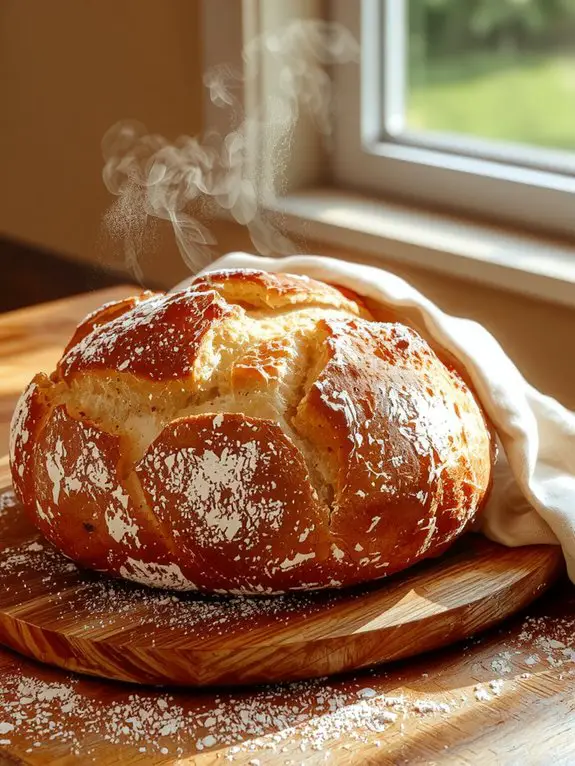
– Cool completely – Transfer to a wire rack and resist slicing for at least 30 minutes. *Skipping this step = gummy interior.*
Flexibility: For softer crust, brush loaves with butter after baking.
For a darker crust, bake 2–3 minutes longer.
Nutrition
French bread is a simple and delicious staple, but it’s important to be mindful of its nutritional content. Below is the breakdown per serving.
| Nutrition Facts | Per Serving (1 slice) |
|---|---|
| Calories | 120 |
| Total Fat | 0.5g |
| Sodium | 230mg |
| Carbohydrates | 24g |
| Protein | 4g |
Chef Tips
If you want your homemade French bread to have that perfect crust and soft interior, I’ve got a few tricks to share. Use a baking stone or preheated sheet for even heat.
Brush the loaf with water before baking to enhance the crust. Let the dough rise slowly in the fridge overnight for better flavor.
Slash the top gently to control expansion during baking.
Frequently Asked Questions
Can I Use a Bread Machine for This Recipe?
Yes, I can use a bread machine for this recipe. I’ll follow the instructions for the dough setting, then shape, proof, and bake the bread in the oven for that classic crust. It’ll still turn out delicious!
How Long Does the Bread Stay Fresh?
The bread stays fresh for about 2-3 days if stored in a paper bag or bread box. I’ve found it loses its crispness faster in plastic. Keep it on the counter, and it’ll taste best day one.
Can I Freeze the Dough Before Baking?
Yes, you can freeze the dough before baking. I’d shape it first, wrap tightly in plastic, then freeze. When ready to bake, thaw overnight in the fridge, let it rise, and bake as usual. Works great!
What’s the Best Way to Store Leftover Bread?
I wrap leftover bread tightly in plastic or foil to keep it fresh. If I plan to eat it soon, I’ll leave it at room temperature, but I freeze it if it’ll take me days.
Can I Substitute All-Purpose Flour With Whole Wheat?
Yes, I can substitute all-purpose flour with whole wheat, but it’ll change the texture and flavor. Whole wheat makes bread denser and heartier, so I’d mix it with all-purpose flour for a lighter result if I’m unsure.