The Best Homemade Gluten Free Bread Recipe
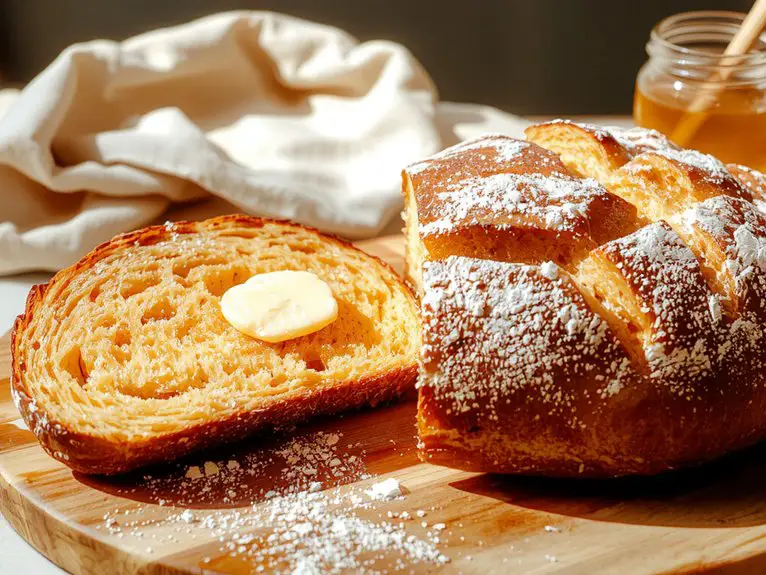
Recipe
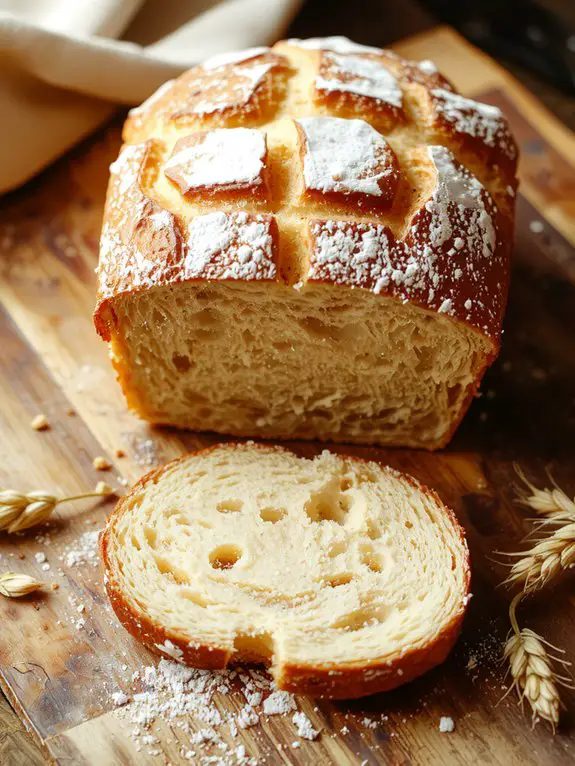
There’s nothing quite like the smell of freshly baked bread filling your kitchen—especially when it’s gluten-free and still has that perfect, fluffy texture. This recipe? It’s a game-changer. No weird aftertaste, no dense bricks—just soft, golden slices that hold up to butter, jam, or even a hearty sandwich.
The secret? A blend of gluten-free flours that actually works, plus a touch of honey for that subtle sweetness. I’ve tweaked this recipe more times than I can count, and now it’s foolproof.
Whether you’re gluten-free by necessity or just curious, one bite of this bread and you’ll never miss the gluten. Let’s bake something amazing.
Ingredients
Making gluten-free bread at home is easier than you think, and the right ingredients guarantee it’s soft, fluffy, and delicious. Let’s start with the essentials—here’s what you’ll need, along with some insider tips to nail the perfect loaf.
- Gluten-Free Flour Blend: Opt for a high-quality blend with xanthan gum (like Bob’s Red Mill 1-to-1 Baking Flour) for structure. If your blend doesn’t include it, add 1 tsp xanthan gum—it’s non-negotiable for that chewy texture.
- Yeast: Active dry yeast works best. Make sure it’s fresh—test it in warm water with a pinch of sugar to confirm it’s alive and bubbly.
- Warm Water: Aim for 110°F—too hot kills the yeast, too cold won’t activate it.
- Eggs: Room temperature eggs help the dough rise better. For a vegan option, use flax eggs (1 tbsp ground flax + 3 tbsp water per egg).
- Oil: Olive oil or avocado oil adds moisture and richness. Don’t skip it—this keeps the bread from drying out.
- Sugar: Just a bit to feed the yeast. Honey or maple syrup works too for a touch of natural sweetness.
- Salt: Enhances flavor and helps control yeast activity. Use fine sea salt for even distribution.
- Apple Cider Vinegar: A secret weapon for lightness! It reacts with the baking soda to create a softer crumb.
Optional but worth it:
- Psyllium Husk Powder: Adds elasticity and improves texture. If you want a chewier loaf, this is a game-changer.
- Seeds or Nuts: Sunflower seeds, flaxseeds, or chopped walnuts add crunch and nutrition.
With these ingredients, you’re set to create a gluten-free loaf that rivals any bakery version. Let’s get baking!
How to Make the Best Gluten Free Bread Instructions
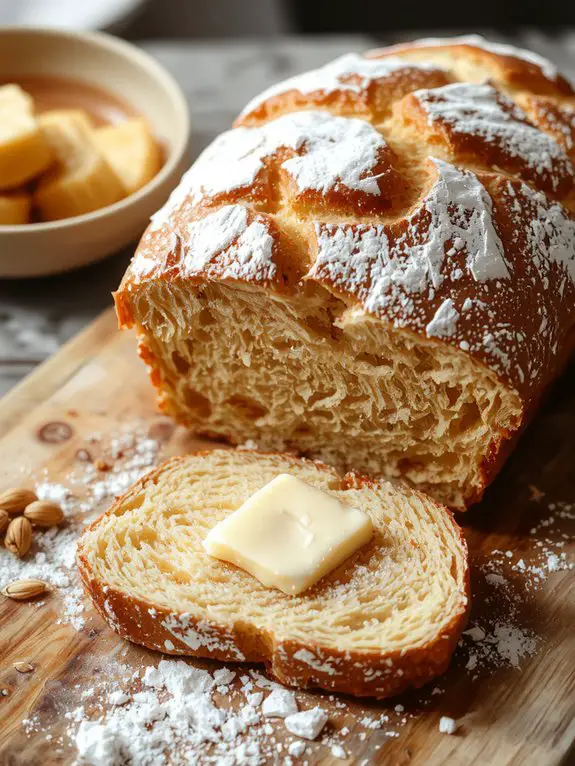
- Preheat your oven to 350°F (175°C). This guarantees the oven is at the right temperature when your bread goes in, which is vital for even baking.
- Grease a 9×5-inch loaf pan and line it with parchment paper. This prevents sticking and makes it easier to remove the bread after baking.
- Whisk together the dry ingredients in a large bowl. Combine gluten-free flour, xanthan gum (if not already in your flour blend), salt, and baking powder.
This guarantees even distribution, which is especially important in gluten-free baking.
– In a separate bowl, mix the wet ingredients****. Combine eggs, melted butter (or oil), warm water, and a touch of sugar or honey.
Warm water helps activate the yeast or helps the bread rise better.
– Gradually add the wet ingredients to the dry ingredients. Stir until just combined.
Overmixing can lead to a dense loaf, so stop as soon as the batter is uniform.
- Let the dough rest for 10-15 minutes. This allows the gluten-free flours to hydrate fully, which improves texture.
- Pour the batter into the prepared loaf pan and smooth the top. Use a spatula to create an even surface, which helps the bread rise uniformly.
- Bake for 45-55 minutes, or until the top is golden brown and a toothpick inserted into the center comes out clean. Start checking at 45 minutes to avoid overbaking.
- Cool the bread in the pan for 10 minutes, then transfer it to a wire rack. Cooling in the pan helps it set, but leaving it too long can make it soggy.
- Slice and enjoy! For the best texture, let it cool completely before slicing. This prevents it from crumbling.
- Store leftovers in an airtight container or wrap tightly in plastic wrap. Gluten-free bread tends to dry out faster, so keeping it sealed helps maintain freshness.
Pro Tip: If you want a crustier loaf, brush the top with a little melted butter before baking.
Watch Out: Resist the urge to open the oven door too early, as it can cause the bread to collapse.
Nutrition
This gluten-free bread recipe is packed with nutrients and free from gluten. Here’s the nutritional breakdown per serving:
| Nutrient | Amount per Serving |
|---|---|
| Calories | 150 kcal |
| Carbohydrates | 25g |
| Protein | 4g |
| Fat | 5g |
| Fiber | 3g |
| Sugar | 2g |
| Sodium | 200mg |
Chef Tips
Getting the perfect texture for gluten-free bread can be tricky, but I’ve found that letting the batter rest for 10 minutes before baking helps it rise evenly.
I also recommend using a combination of flours like almond and tapioca for better structure.
Don’t overmix—gentle folding preserves air pockets.
Finally, cover the loaf loosely with foil halfway through baking to prevent over-browning without compromising moisture.
Frequently Asked Questions
Can I Use Regular Flour Instead of Gluten-Free?
You can use regular flour, but it won’t be gluten-free anymore. If you’re avoiding gluten, stick to gluten-free flour blends—they’re formulated to mimic regular flour’s texture. Otherwise, go ahead and swap it in.
How Long Does Gluten-Free Bread Stay Fresh?
Gluten-free bread stays fresh for about 2-3 days at room temperature. I store mine in an airtight container to keep it from drying out. After that, it’s best to freeze slices for longer freshness.
Can I Freeze Gluten-Free Bread?
Yes, you can freeze gluten-free bread to keep it fresh longer. I’d wrap it tightly in plastic or foil, then place it in a freezer bag. When I’m ready to eat it, I thaw it at room temp.
Why Is My Gluten-Free Bread Crumbly?
Gluten-free bread crumbles because it lacks gluten, which binds ingredients. I’d check if I used enough xanthan gum or psyllium husk as binders. Overmixing or not letting the dough rest can also make it crumbly.
What’s the Best Gluten-Free Flour Blend for Bread?
For gluten-free bread, I swear by a blend of brown rice flour, tapioca starch, and potato starch—it gives structure and chew. Adding xanthan gum (1 tsp per cup) keeps it from crumbling. Works every time!