The Best Homemade Naan Bread Recipe

Recipe
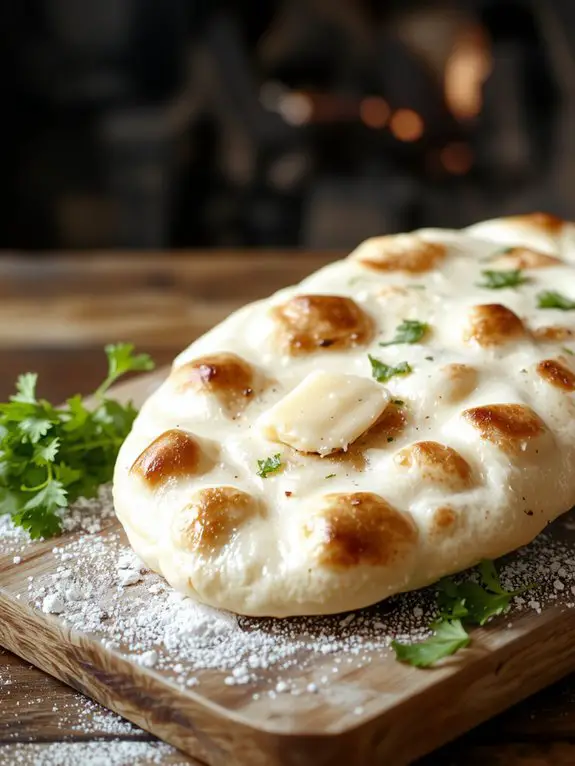
There’s something magical about fresh, warm naan straight off the stove—soft, pillowy, and just begging to be torn apart and dunked into your favorite curry.
Forget the store-bought stuff; once you try this homemade version, you’ll never go back.
With just a handful of pantry staples and a little patience (trust me, it’s worth it), you’ll have golden, buttery naan that’s crispy on the outside, tender on the inside, and packed with that irresistible charred flavor.
I’ve made this recipe countless times—for weeknight dinners, impromptu gatherings, and even just because—and it never fails to disappear fast.
The secret? A touch of yogurt for richness and a hot skillet to get those perfect blistered bubbles.
Get ready to fall in love with bread-making all over again.
Ingredients
Creating the perfect naan bread starts with carefully selected ingredients. For a soft and fluffy texture, use all-purpose flour, baking powder, and salt. Incorporate yogurt for moisture and a hint of tanginess.
Add a touch of sugar for a subtle sweetness. Finally, use ghee or butter for richness and authentic flavor. These key components guarantee a delicious homemade naan every time.
How to Make the Best Soft Naan Bread Technique

– Heat a skillet or cast-iron pan over medium-high heat until hot. A hot pan is essential for creating those signature bubbles and charred spots.
Watch-Out Warning: Too low heat will make the naan dry and tough.
– Cook each naan for 1-2 minutes per side, brushing with melted butter or garlic butter. Flip when bubbles form and the bottom is golden brown.
Why It Matters: Butter adds flavor and keeps the naan soft.
Flexibility: Substitute ghee or olive oil for a different flavor profile.
– Serve warm and enjoy immediately. Freshly made naan is best when hot off the pan.
Pro Tip: Store leftovers in an airtight container and reheat in a skillet for best results.
Nutrition
Homemade Naan Bread is a delicious and versatile flatbread that can complement any meal. Below is the nutritional information per serving.
| Nutrition | Per Serving |
|---|---|
| Calories | 271 kcal |
| Carbohydrates | 45 g |
| Protein | 7 g |
| Fat | 7 g |
| Saturated Fat | 3 g |
| Sodium | 367 mg |
| Fiber | 2 g |
| Sugar | 2 g |
Chef Tips
I’ve found that letting the dough rest for about an hour before cooking helps achieve that perfect soft texture. Use a hot cast-iron skillet for even cooking and those signature charred spots.
Brush with melted butter right after cooking—it locks in moisture. Don’t overwork the dough; gentle handling keeps it tender.
A pinch of sugar in the dough balances the flavors. Practice makes perfect—don’t stress if the first few aren’t flawless.
Frequently Asked Questions
Can I Make Naan Without Yeast?
Yes, you can make naan without yeast. I’ve used baking powder or baking soda instead, which still gives it a soft texture. Yogurt helps too, adding a bit of tanginess and keeping it tender. It works well!
How Do I Store Leftover Naan?
I store leftover naan in an airtight container or a resealable plastic bag to keep it fresh. If I plan to eat it within a couple of days, I’ll leave it on the counter; otherwise, I refrigerate it.
Can I Use Whole Wheat Flour Instead?
I can use whole wheat flour instead of regular flour. It’ll give the naan a heartier texture and more fiber. Just adjust the water quantity as whole wheat absorbs more. The taste and texture should still turn out great.
Why Is My Naan Not Puffing Up?
Your naan might not puff up if the pan isn’t hot enough, the dough’s too thick, or it’s not rolled thin enough. I make sure to use high heat and stretch the dough evenly for maximum puff.
Can I Cook Naan on a Stovetop?
I cook naan on a stovetop by heating a cast iron skillet over medium-high heat, then placing the dough directly on the hot surface. I flip it when bubbles form and it browns slightly, ensuring even cooking.