The Best Homemade Naan Recipe


Recipe
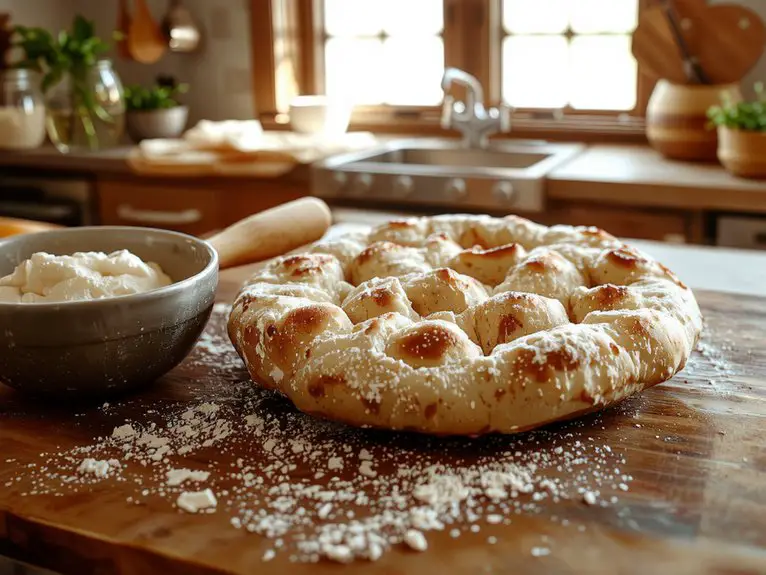
If there’s one thing I guarantee, it’s that this homemade naan will make you forget store-bought versions forever. Soft, pillowy, and impossibly flavorful, this bread is everything you crave—warm, aromatic, and perfect for tearing or scooping up your favorite dishes.
The secret? A touch of yogurt in the dough, which keeps it tender, plus a quick cook on a hot skillet that gives it those irresistible golden-brown charred spots. Every bite is a mix of chewy, slightly crispy, and buttery goodness that’ll have you hooked.
And trust me, once you see how easy it’s to whip up, you’ll be making it on repeat. Let’s get that skillet sizzling!
Ingredients
Great naan starts with the right ingredients—each one plays a key role in achieving that perfect chewy-yet-tender texture and signature char. Here’s what you’ll need, plus pro tips to make sure your homemade version rivals any restaurant’s.
- All-purpose flour – The backbone of your dough. Bread flour works too for extra chew, but AP keeps it tender.
- Plain yogurt – Adds tang and softness. Full-fat is best; Greek yogurt can sub if thinned with a splash of milk.
- Warm water – Activates the yeast. Too hot kills it—aim for just warmer than body temp (110°F max).
- Active dry yeast – The leavening magic. Instant yeast works 1:1, but skip the proofing step.
- Sugar – Feeds the yeast. Honey or agave can swap in for a subtle flavor twist.
- Salt – Balances the dough. Diamond Crystal is ideal; if using table salt, halve the amount.
- Baking powder – A sneaky boost for extra lift. Don’t skip—it’s the key to fluffy layers.
- Ghee or melted butter – Brushing hot naan with this is non-negotiable for that glossy, rich finish. Olive oil works in a pinch.
Little win: Sprinkle with nigella seeds or minced garlic before baking for next-level flavor.
How to Make the Best Traditional North Indian Naan

Mix the dry ingredients—flour, salt, and baking powder—in a large bowl. This combination creates the base for your dough and guarantees even distribution of the leavening agents.
Combine wet and dry ingredients by adding the activated yeast mixture, yogurt, and a drizzle of oil to the dry ingredients.
Mix until a shaggy dough forms. The yogurt adds tenderness and flavor, while the oil keeps the dough soft.
Knead the dough for 8-10 minutes until smooth and elastic. This develops the gluten, giving the naan its chewy texture. If the dough feels too sticky, add a sprinkle of flour, but be careful not to overdo it.
Let the dough rise by covering it with a damp cloth and placing it in a warm spot for 1-2 hours, or until doubled in size.
Patience here is key—proper proofing guarantees light, fluffy naan.
Divide the dough into equal-sized balls, about the size of a golf ball. This makes it easier to roll out evenly and guarantees consistent cooking.
Roll out the dough into oval or round shapes, about ¼-inch thick. Don’t stress about perfection—naan is meant to be rustic! If it sticks, lightly flour your rolling pin and surface.
Cook the naan on a hot, preheated skillet or griddle over medium-high heat. Cook for 1-2 minutes on one side until bubbles form, then flip and cook for another minute.
Watch closely—it can burn quickly!
Brush with butter immediately after cooking. This not only adds flavor but also keeps the naan soft and moist. For extra flair, sprinkle with garlic, herbs, or sesame seeds.
Serve warm for the best texture and flavor. Naan is incredibly versatile—pair it with your favorite curries, dips, or enjoy it on its own!
Nutrition
This homemade naan recipe provides a good source of carbohydrates and essential nutrients. Here’s the nutritional breakdown per serving:
| Nutrient | Amount |
|---|---|
| Calories | 200 kcal |
| Carbohydrates | 34 g |
| Protein | 6 g |
| Fat | 4 g |
| Saturated Fat | 1 g |
| Cholesterol | 5 mg |
| Sodium | 300 mg |
| Fiber | 2 g |
| Sugar | 2 g |
Chef Tips
After understanding the nutritional aspects, I find focusing on technique can elevate your naan-making game. Knead the dough thoroughly for a soft, elastic texture. Let it rest to develop flavor.
Roll it thin and cook on a hot skillet for those signature bubbles. Brush with melted butter or garlic oil right after cooking for added richness. These small steps make a big difference in perfecting your naan.
Frequently Asked Questions
Can I Freeze Naan Dough for Later Use?
Yes, I can freeze naan dough for later use. I’d wrap it tightly in plastic wrap or place it in an airtight container before freezing. When ready, I’ll thaw it in the fridge and bring it to room temperature before cooking.
How Do I Store Leftover Naan to Keep It Fresh?
I store leftover naan in an airtight container or resealable bag at room temp for a day or two. For longer storage, I wrap it in foil or plastic and freeze it, reheating it in the oven or skillet.
Can I Make Naan Without a Tandoor Oven?
I’ve made naan without a tandoor oven using a cast iron skillet or baking sheet. I heat it on the stove or in a hot oven, brushing the dough with butter or oil for that classic texture.
What’s the Best Substitute for Yeast in Naan?
I’d use baking powder or baking soda as a substitute for yeast in naan. They’ll help the dough rise, but the texture’s slightly different—less airy. I’d also add yogurt to keep it soft and tender.
Why Is My Naan Dough Too Sticky to Handle?
Your naan dough’s too sticky because I’ve probably added too much water or humidity’s affecting the flour. I’ll fix it by gradually kneading in extra flour until it becomes smooth and manageable without overworking it.