The Best Homemade Rye Bread Recipe
Recipe
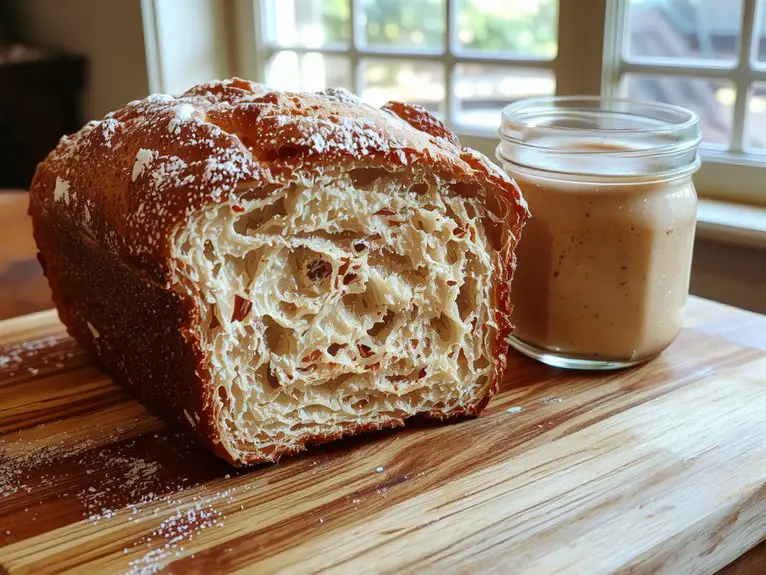
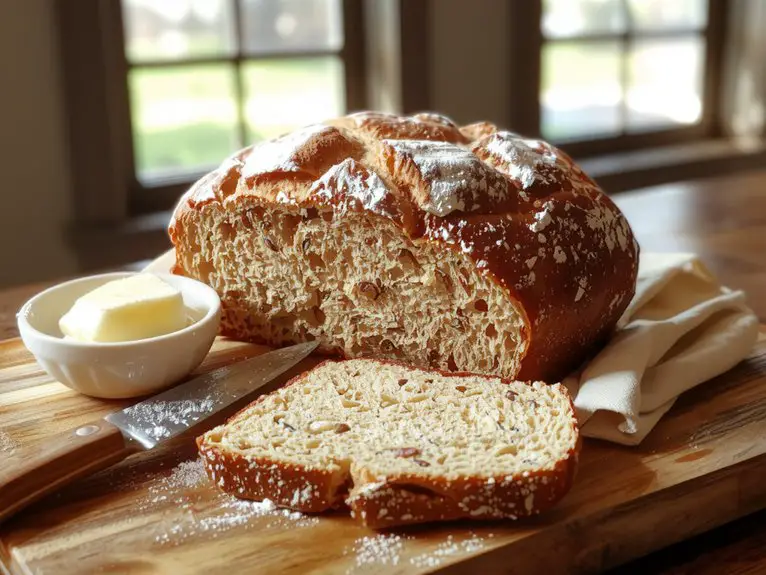
This homemade rye bread will forever change the way you think about baking bread—trust me, once you try it, there’s no going back. The secret? A blend of dark rye flour and a touch of caraway seeds that brings a deep, nutty flavor with just the right hint of earthiness.
It’s the kind of bread that fills your kitchen with an irresistible aroma while baking, making it nearly impossible to wait for that first slice. And don’t worry, this recipe is foolproof—whether you’re a seasoned baker or a total newbie, you’ll end up with a loaf that’s crusty on the outside, tender on the inside, and perfect for everything from sandwiches to slathering with butter.
Let’s get baking—you’re about to create something seriously delicious.
Ingredients
The secret to a perfect loaf of rye bread lies in the balance of flavors and textures—earthy, slightly tangy, and with just the right chew. While rye flour is the star, a few key players elevate this bread from good to unforgettable. Here’s what you’ll need:
- Rye flour (medium or dark) – The backbone of the loaf, giving it that signature deep, nutty flavor. Don’t substitute with all-purpose—it won’t have the same character.
- Bread flour – Adds structure and lift. If you’re out, all-purpose works, but expect a slightly denser crumb.
- Caraway seeds – Non-negotiable for classic rye flavor. Toast them lightly for an extra aromatic punch.
- Molasses or honey – Deepens color and adds a subtle sweetness. Blackstrap molasses gives a richer taste, but honey works in a pinch.
- Buttermilk or yogurt – Creates tenderness and a slight tang. No buttermilk? Mix milk with a tablespoon of vinegar or lemon juice and let it sit for 5 minutes.
- Unsalted butter or oil – Butter adds richness, but oil keeps the crumb extra moist. Your call.
- Active dry yeast – Fresh yeast works too (use 1.5x the amount), but don’t skip it—this isn’t a sourdough recipe (unless you want it to be!).
- Salt – Balances the flavors. Use fine sea salt for even distribution.
Pro tip: For a darker, more complex loaf, swap 1-2 tbsp of the liquid with brewed coffee or stout beer. Trust us—it’s a game-changer.
How to Make the Best Classic Rye Bread Variations
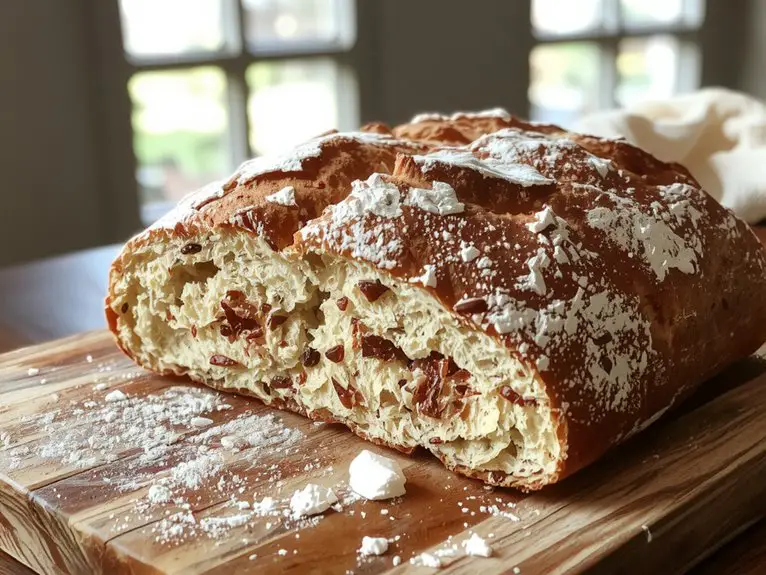
6. Shape the loaf – Punch down the dough, shape into a round or oval loaf, and place on a parchment-lined baking sheet.
*Prep Reminder: Dust hands with flour to prevent sticking.*
7. Second rise – Cover and let rise again for 30–45 minutes.
Meanwhile, preheat oven to 375°F.
*Why Behind the Step: This guarantees a lighter texture.*
8. Score and bake – Use a sharp knife to make shallow slashes on top.
Bake for 30–35 minutes until golden and hollow-sounding when tapped.
*Pro Tip: Spritz the oven with water for a crisp crust.*
9. Cool completely – Transfer to a wire rack and let cool for at least 1 hour before slicing.
*Watch-Out: Cutting too soon releases steam, making the bread gummy.*
Nutrition
Rye bread is a hearty and nutritious choice, packed with essential vitamins and minerals. Below is the nutritional breakdown per serving.
| Nutrient | Amount per Serving |
|---|---|
| Calories | 120 kcal |
| Total Fat | 1.5 g |
| Saturated Fat | 0.3 g |
| Cholesterol | 0 mg |
| Sodium | 200 mg |
| Total Carbohydrate | 24 g |
| Dietary Fiber | 3 g |
| Sugars | 1 g |
| Protein | 4 g |
Chef Tips
When baking rye bread, I always recommend using fresh ingredients and measuring them precisely to guarantee consistent results. Preheat your oven fully and use a thermometer to check dough temperature if you’re unsure.
Don’t skip the resting time; it helps develop flavor and texture. Finally, spritz the dough with water before baking for a crisp crust. These small steps make a big difference.
Frequently Asked Questions
Can I Freeze Rye Bread Dough?
Yes, I can freeze rye bread dough. I’ll knead it, shape it into a ball, wrap it tightly in plastic wrap, then place it in a freezer bag. When I’m ready, I’ll thaw it overnight in the fridge.
How Long Does Rye Bread Stay Fresh?
I’ve found that rye bread stays fresh for about 3-4 days at room temperature if stored properly. I keep mine in an airtight container or wrapped tightly in plastic to maintain its moisture and texture.
Can I Use a Bread Machine for This Recipe?
Yes, I can use a bread machine for this recipe, but I’ll need to adapt it slightly since rye bread often requires kneading and rising times that differ from standard machine settings. It’s worth trying!
Why Is My Rye Bread Dense?
I think your rye bread’s dense because you might’ve over-kneaded it or used too much flour. Rye’s low gluten, so it needs a gentler touch. Check your yeast’s fresh, too—old yeast won’t rise well.
Is Rye Bread Gluten-Free?
No, rye bread isn’t gluten-free because rye contains gluten. I’ve found that even though it’s lower in gluten than wheat, it still isn’t safe for someone with celiac disease or gluten intolerance. Always check labels if you’re unsure.