The Best Homemade Sandwich Bread Recipe
Recipe
There’s something magical about the smell of freshly baked bread filling your kitchen—warm, yeasty, and downright comforting.
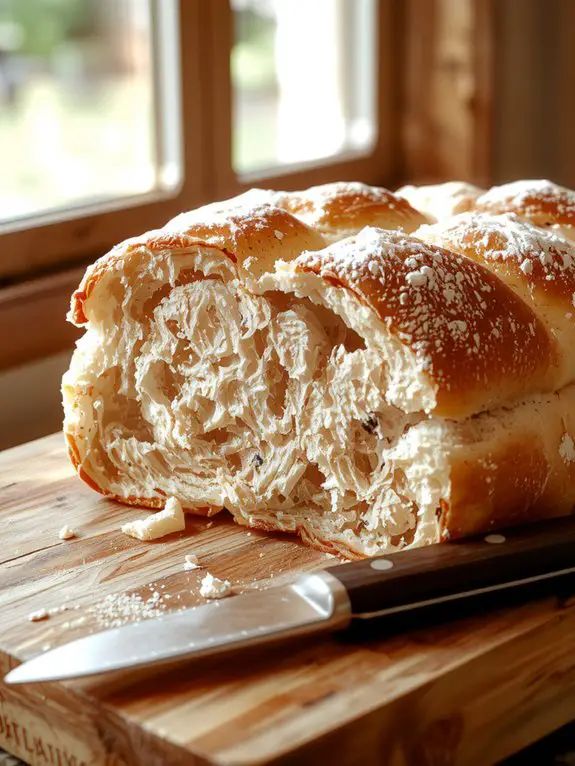
This homemade sandwich bread recipe is the kind of foolproof staple you’ll come back to again and again, thanks to its soft crumb, golden crust, and just-sweet-enough flavor.
No fancy equipment needed—just your hands, a little patience, and the kind of simple ingredients you probably already have in your pantry.
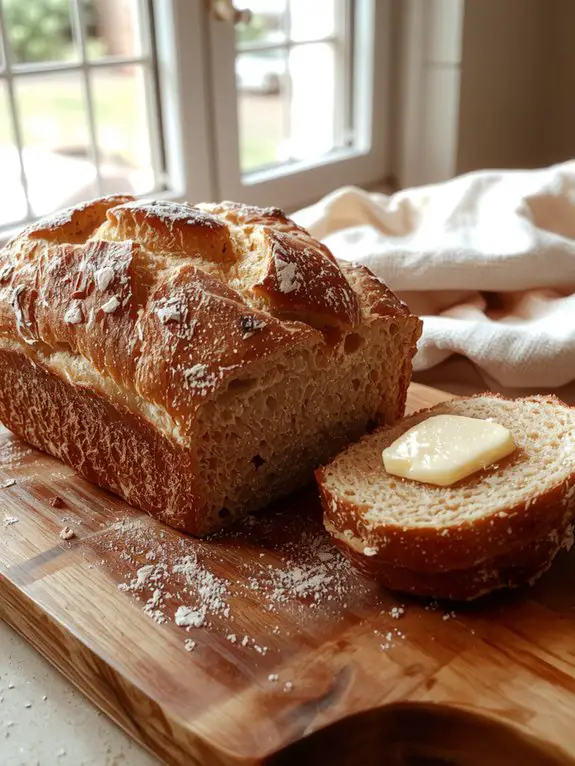
Whether you’re slathering it with butter, toasting it for breakfast, or stacking it high with your favorite fillings, this loaf delivers that nostalgic bakery-quality taste you crave.
Trust me, once you try this, store-bought bread just won’t cut it anymore. Let’s bake something unforgettable.
Ingredients
Great sandwich bread starts with quality ingredients—each one plays a key role in achieving that perfect soft crumb and golden crust. Here’s what you’ll need, plus insider tricks to make it foolproof:
- Bread flour – The higher protein content gives structure and chew. All-purpose flour works, but your loaf won’t be as lofty.
- Instant yeast – Skips the proofing step; just mix it right in. Active dry yeast? Dissolve it in warm water first.
- Sugar – Feeds the yeast and adds subtle sweetness. Honey or maple syrup work too for a deeper flavor.
- Salt – Non-negotiable for flavor balance. Use fine sea salt to distribute evenly.
- Warm water – Aim for 105–110°F (too hot kills yeast). A splash of milk can replace half for extra tenderness.
- Unsalted butter or oil – Butter adds richness; oil keeps it moist longer. Don’t skip—fat = soft texture.
- Egg (optional) – For a richer crumb and golden color. Vegan? A flax egg (1 tbsp ground flax + 3 tbsp water) works.
Pro tip: Weigh your flour (360g) for accuracy—cup measurements vary wildly.
And if you’re feeling fancy, brush the baked loaf with melted butter for a glossy, bakery-worthy crust.
How to Make the Best Soft White Sandwich Bread
- Activate the yeast: In a large bowl, dissolve sugar in warm water (110°F–115°F). Sprinkle yeast over the water and let sit for 5–10 minutes until foamy. If it doesn’t foam, your yeast may be inactive—start over with fresh yeast.
- Mix wet ingredients: Add milk, melted butter (cooled slightly), and salt to the yeast mixture. Use whole milk for richness, or substitute with 2% if needed.
Pro tip: If the butter is too hot, it can kill the yeast—test it with your finger to verify it’s warm, not scalding.
– Incorporate flour gradually: Stir in 3 cups of flour with a wooden spoon or dough hook attachment. Add remaining flour ½ cup at a time until the dough pulls away from the bowl but is still slightly sticky.
Over-flouring makes dense bread—stop when the dough is soft and tacky.
– Knead the dough: Turn onto a floured surface and knead for 8–10 minutes until smooth and elastic. If using a stand mixer, knead on medium for 5–6 minutes.
The dough should pass the “windowpane test”: stretch a small piece thinly without tearing.
– First rise: Place dough in a greased bowl, cover with a damp towel, and let rise in a warm spot for 1–2 hours until doubled.
For faster rising, place the bowl in a turned-off oven with a pan of hot water underneath.
– Shape the loaf: Punch down the dough, then roll it into a rectangle. Tightly roll it into a log, pinch the seam, and tuck ends under. Place in a greased 9×5-inch loaf pan.
Pro tip: Rolling tightly prevents air pockets in the baked loaf.
– Second rise: Cover and let rise for 30–45 minutes until the dough crowns 1 inch above the pan.
Under-proofed bread won’t rise well; over-proofed may collapse. Look for a slight dome shape.
– Bake: Preheat oven to 375°F. Brush loaf with milk or melted butter for a soft crust. Bake for 30–35 minutes until golden brown and the internal temperature reaches 190°F.
Tent with foil if browning too quickly.
– Cool completely: Remove from pan and cool on a wire rack for at least 1 hour before slicing.
Cutting too soon crushes the loaf—resist the urge! Store in an airtight bag for up to 3 days or freeze for longer freshness.
Nutrition
This homemade sandwich bread is a nutritious choice, providing essential nutrients for a balanced diet. Below is the detailed nutritional breakdown per serving.
| Nutrient | Amount per Serving |
|---|---|
| Calories | 120 kcal |
| Total Fat | 2 g |
| Saturated Fat | 0.5 g |
| Cholesterol | 0 mg |
| Sodium | 200 mg |
| Total Carbs | 22 g |
| Dietary Fiber | 1 g |
| Sugars | 2 g |
| Protein | 4 g |
Chef Tips
When making homemade sandwich bread, I’ve found that using room-temperature ingredients helps the dough rise evenly. Knead until smooth but don’t overwork it—gluten develops quickly.
Let it rise in a warm, draft-free spot. For a soft crust, brush with butter after baking.
Slice once completely cooled to avoid squishing. Store in a bread box or paper bag to keep it fresh longer.
Happy baking!
Frequently Asked Questions
Can I Use Whole Wheat Flour Instead of White Flour?
Yes, you can use whole wheat flour, but I’d suggest replacing only half the white flour since it absorbs more liquid. I also add extra water or milk to keep the dough from getting too dense.
How Do I Store the Bread to Keep It Fresh Longer?
Store your bread in a paper bag or bread box for the first day to keep the crust crisp. After that, transfer it to an airtight plastic bag—it’ll stay fresh for up to 5 days. Freeze slices if you won’t finish it quickly.
Can I Freeze the Dough for Later Use?
Yes, I can freeze the dough for later use. Just shape it into a loaf, wrap it tightly in plastic, then foil, and freeze. When I’m ready, I’ll thaw it overnight, let it rise, then bake.
What Can I Substitute for Sugar in the Recipe?
I’d use honey, maple syrup, or agave as natural sweeteners—they’ll add flavor too. If you’re avoiding sugars, try mashed bananas or applesauce. Just adjust liquids since they’re wetter than sugar. Hope that helps!
Why Did My Bread Turn Out Dense Instead of Fluffy?
I think your bread turned out dense because you might’ve overmixed the dough or used too much flour. Not letting it rise long enough can also make it heavy. Check your yeast—it could be expired.