The Best Homemade Self Rising Flour Recipe
Recipe
Ever wondered how to whip up fluffy biscuits or perfect pancakes without a trip to the store? This homemade self-rising flour recipe is your secret weapon—trust me, once you try it, you’ll never go back to store-bought again.
With just three pantry staples, you can create a versatile blend that’s lighter, fresher, and way more flavorful than anything from a box. I’ve been using this mix for years, and it’s the reason my baked goods always turn out tender, airy, and just the right amount of rise.
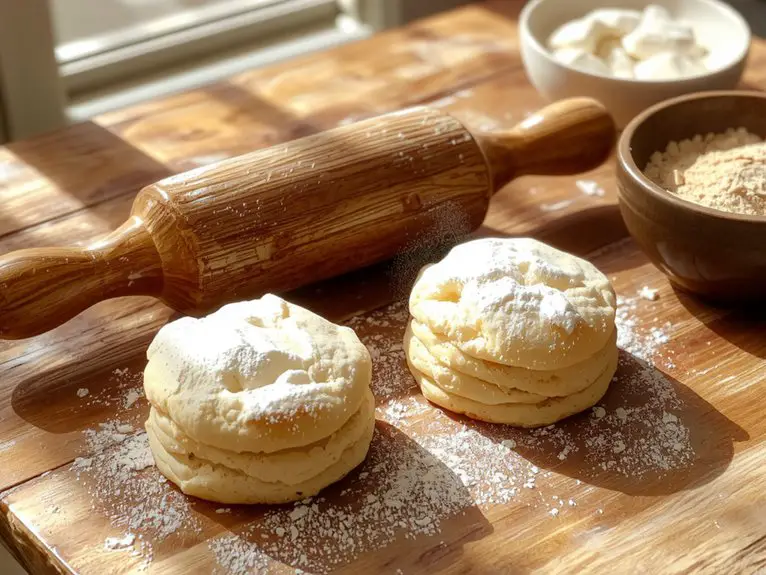
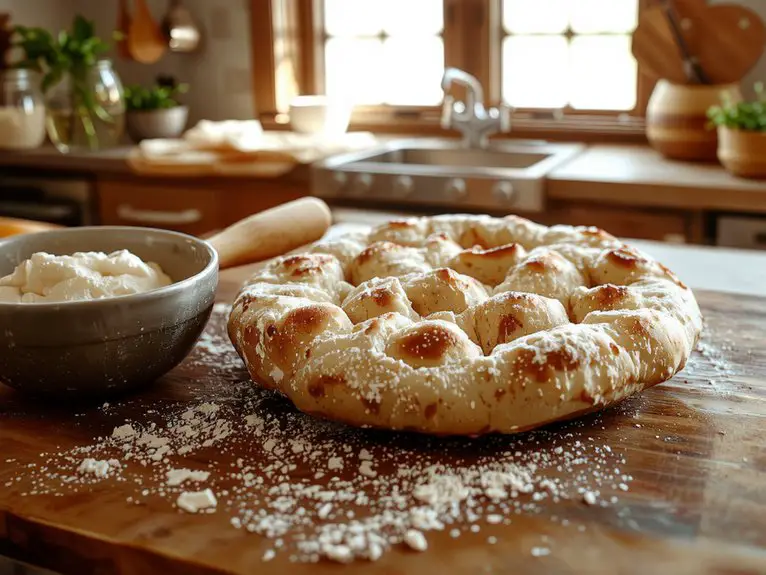
Picture golden-brown biscuits with a crisp exterior giving way to a soft, pillowy center—pure magic. Whether you’re baking on a whim or stocking your pantry for last-minute cravings, this recipe is a game-changer. Let’s get mixing!
Ingredients
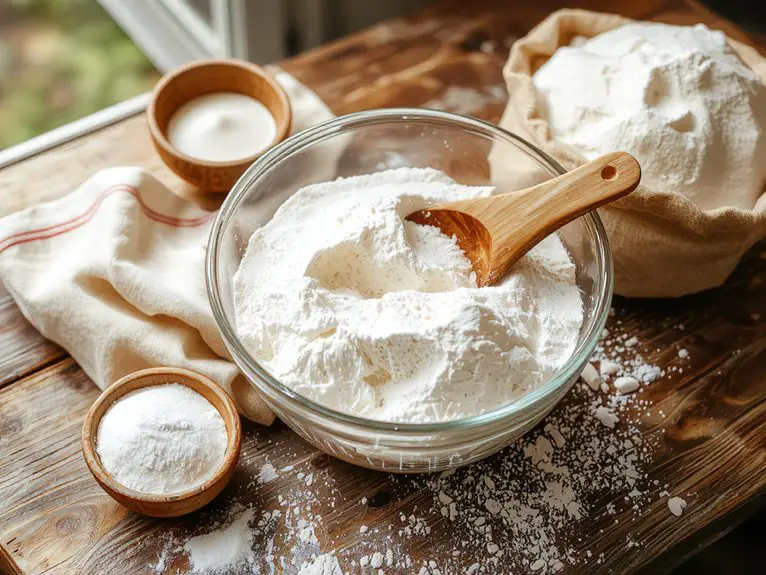
Making your own self-rising flour at home is easier than you think—just a few pantry staples and you’re ready to bake! This simple blend guarantees perfectly risen biscuits, pancakes, and more every time.
Key Ingredients:
- All-purpose flour – The base of your mix; use unbleached for best results.
- Baking powder – The leavening agent that gives lift (make sure it’s fresh!).
- Salt – Balances flavor and enhances rise (fine grain blends best).
Pro Tips:
- Weigh your flour for accuracy—too much can make baked goods dense.
- Sift together to evenly distribute the baking powder and salt.
- Store airtight to keep moisture out and extend shelf life.
Easy Swaps:
- Out of all-purpose? Cake flour works but reduces structure slightly.
- No fine salt? Grind coarse salt briefly before mixing.
Must-Have:
– Fresh baking powder—check the expiration date for maximum rise.
Extra Touch:
– Add a pinch of sugar for subtly sweeter baked goods.
How to Make the Best Self-Rising Flour Instructions
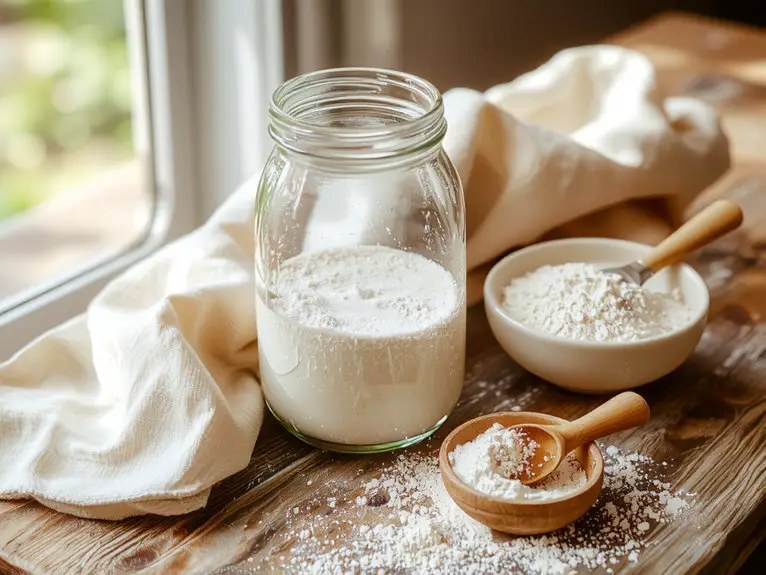
- Adjust for altitude – At high elevations, reduce baking powder by ¼ tsp per cup of flour to prevent over-rising and collapsing.
- Substitute wisely – For gluten-free versions, use a 1:1 gluten-free flour blend and add ½ tsp xanthan gum per cup for structure.
- Avoid overmixing – When using in recipes, stir just until ingredients combine.
Overworking develops gluten, leading to dense baked goods.
– Check expiration – Baking powder loses strength over time.
If yours is older than 6 months, replace it for reliable results.
– Double in bulk – Need more? Simply scale up the ratios (e.g., 2 cups flour + 3 tsp baking powder + ½ tsp salt).
Perfect for meal preppers.
Nutrition
Self-rising flour is a versatile ingredient used in baking. Here’s the basic nutritional breakdown per tablespoon.
| Nutrient | Amount |
|---|---|
| Calories | 25 |
| Protein | 0.6 g |
| Carbohydrates | 5.2 g |
| Fat | 0.1 g |
| Fiber | 0.2 g |
| Sodium | 150 mg |
Chef Tips
Getting the most out of self-rising flour means knowing a few tricks. I always sift it before using to avoid clumps and guarantee even rising.
Store it airtight to keep the leavening active. Don’t overmix batters—gentle folds prevent toughness.
For extra lift, add a pinch of baking powder. Swap it in recipes calling for all-purpose flour by adjusting salt and leavening. Experiment to find your perfect balance.
Frequently Asked Questions
Can I Use Whole Wheat Flour Instead of All-Purpose?
Yes, I can use whole wheat flour instead of all-purpose, but I’ll need to adjust the recipe slightly. Whole wheat flour absorbs more liquid, so I might add a bit more moisture or sift it for a lighter texture.
How Long Does Self-Rising Flour Stay Fresh?
Self-rising flour stays fresh for about 6 months if stored properly. I keep it in an airtight container in a cool, dry place. After that, baking powder loses potency and it won’t rise well.
Can I Make Self-Rising Flour Gluten-Free?
Yes, I can make gluten-free self-rising flour by using a gluten-free flour blend. I’ll add baking powder and salt in the same ratios as regular self-rising flour. It works just as well for gluten-free baking.
What’s the Difference Between Self-Rising and All-Purpose Flour?
Self-rising flour’s got baking powder and salt mixed in, so it’ll rise on its own, while all-purpose flour’s plain—I’d need to add leavening agents if I want it to rise in my baking.
Can I Substitute Self-Rising Flour for Cake Flour?
I can’t directly substitute self-rising flour for cake flour because self-rising has baking powder and salt, which cake flour doesn’t. It’ll affect texture and rise, so I’d adjust the recipe or use a proper substitute.