The Best Homemade Sourdough Bagel Recipe
Recipe
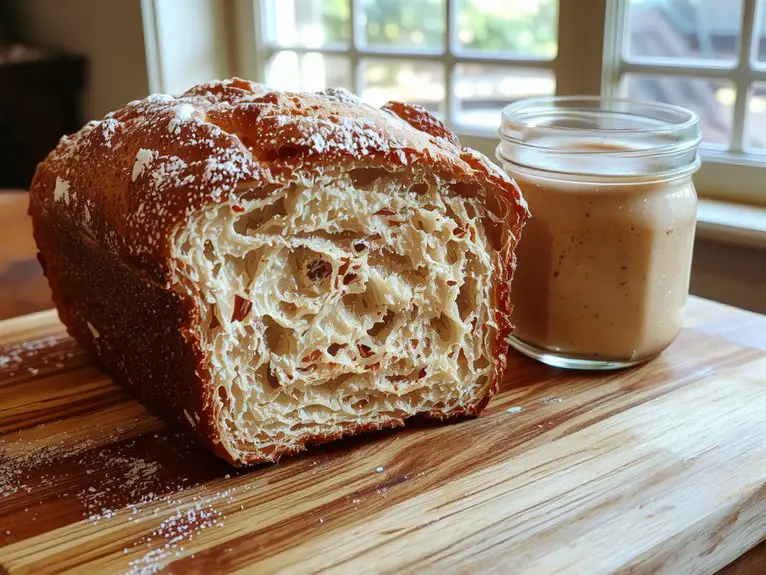
There’s something magical about biting into a freshly baked sourdough bagel—chewy on the outside, soft and tangy on the inside, with that unmistakable depth of flavor only sourdough can deliver. Forget store-bought; once you try this homemade version, you’ll never go back.
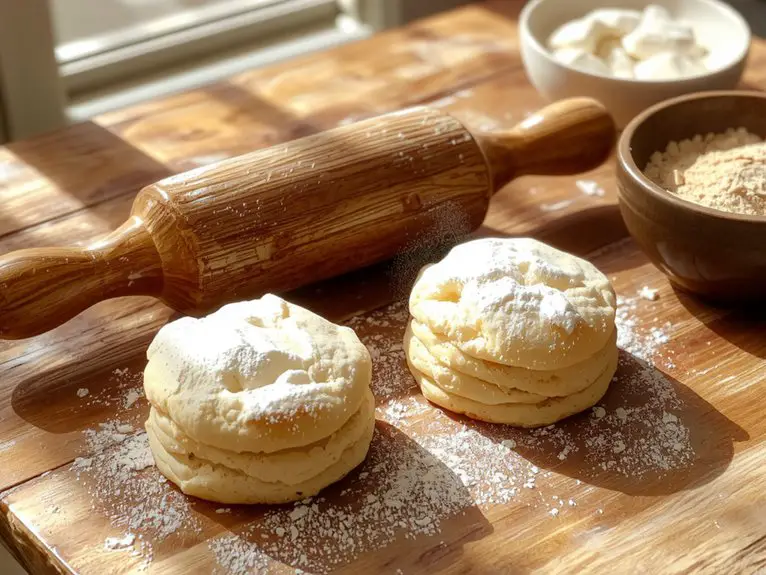
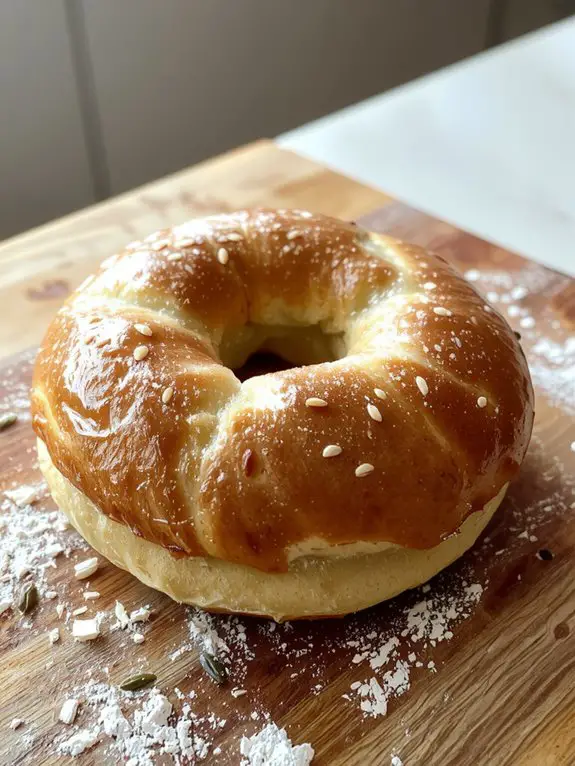
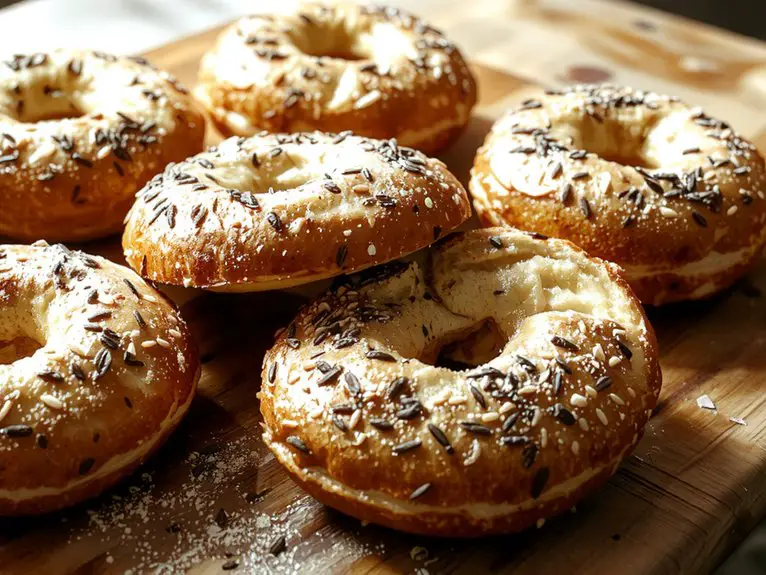
The secret? A lively sourdough starter and a slow, cold ferment that transforms simple ingredients into something extraordinary. Picture golden-brown crusts dusted with sesame seeds or everything seasoning, the aroma filling your kitchen as they bake.
Whether you’re a sourdough pro or just starting out, this recipe is foolproof and so rewarding. Trust me, your future self (and anyone lucky enough to snag one) will thank you. Let’s bake!
Ingredients
Great bagels start with great ingredients—and a few insider tricks. While sourdough bagels are forgiving, using the right flour and a well-fed starter makes all the difference. Here’s what you’ll need, plus pro swaps to keep it flexible.
For the Dough:
- 500g bread flour (high-protein flour gives that chewy bite—all-purpose works but won’t be as sturdy)
- 100g active sourdough starter (fed and bubbly; this is non-negotiable for flavor and rise)
- 250g water (lukewarm, about 85°F/30°C—too hot kills the starter)
- 10g salt (fine sea salt blends evenly; table salt can taste harsh)
- 20g honey or barley malt syrup (malt syrup adds classic bagel depth, but honey works in a pinch)
For the Boiling Pot:
- 2L water (filtered if yours is heavily chlorinated)
- 30g honey or barley malt syrup (this gives the crust its shine)
- 1 tbsp baking soda (optional, but boosts browning)
Extras for Topping:
– Everything bagel seasoning, sesame seeds, or flaky salt (toast seeds first for max flavor)
Pro Tip: If your starter isn’t peppy, add a pinch of instant yeast (1/4 tsp) to the dough—no shame in a backup plan.
For a tangier bite, let the dough cold-ferment overnight.
How to Make the Best Authentic Sourdough Bagel Technique
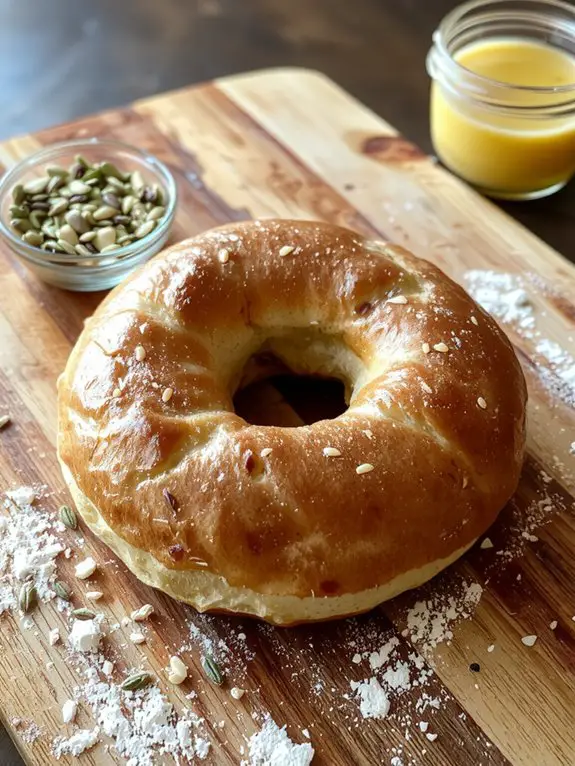
1. Prepare the Dough
Mix sourdough starter, water, and honey in a bowl until combined.
Gradually add flour and salt, stirring until a shaggy dough forms.
Knead by hand for 10 minutes or until smooth and elastic.
The dough should pass the windowpane test—stretch a small piece thinly without tearing.
2. First Rise (Bulk Fermentation)
Cover the dough and let it rise at room temperature for 4–6 hours, or until doubled in size.
For a slower, more flavorful rise, refrigerate overnight (8–12 hours).
3. Shape the Bagels
Divide the dough into equal portions (about 100g each).
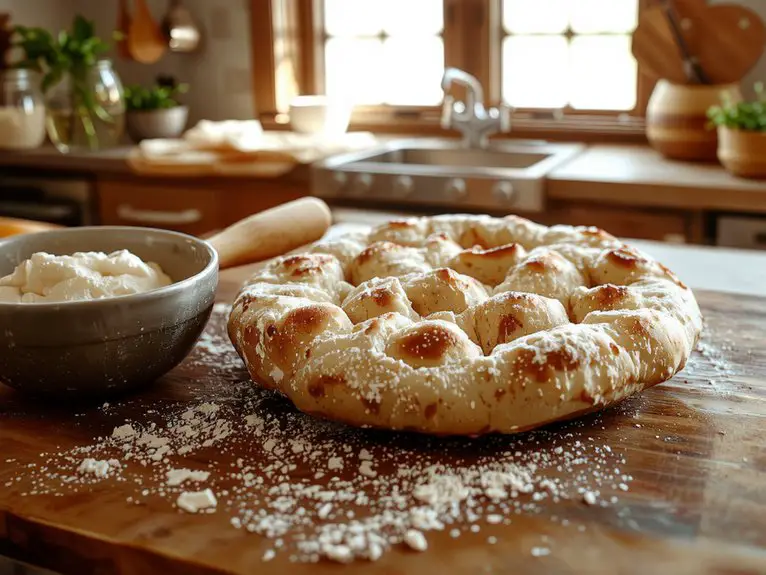
Roll each piece into a ball, then poke a hole through the center and stretch gently to form a ring.
Keep them uniform for even baking.
4. Second Rise (Proofing)
Place shaped bagels on a parchment-lined tray, cover, and let rest for 1–2 hours.
They should puff slightly but not double—overproofing leads to flat bagels.
5. Boil the Bagels
Bring a large pot of water to a gentle boil with a spoonful of honey or baking soda.
Boil each bagel for 30 seconds per side.
This step creates the chewy crust.
6. Add Toppings (Optional)
Immediately after boiling, sprinkle with seeds, spices, or flaky salt while the surface is still sticky.
Press gently to adhere.
7. Bake to Perfection
Bake at 425°F (220°C) for 20–25 minutes until deeply golden.
Rotate the tray halfway for even browning.
Cool on a wire rack—they’ll crisp as they cool.
Pro Tips:
- Use a kitchen scale for precise measurements.
- For extra shine, brush boiled bagels with egg wash before baking.
- Freeze extras: slice first for easy toasting later.
Watch Out:
- Don’t skip the boiling step—it’s key for texture.
- Avoid overcrowding the pot; boil in batches if needed.
- Overproofed dough? Reshape and boil—it’s forgiving!
Nutrition
Nutrition information is based on one homemade sourdough bagel. The values may vary depending on the exact ingredients and portion sizes used.
| Nutrient | Amount |
|---|---|
| Calories | 245 |
| Total Fat | 1g |
| Saturated Fat | 0.2g |
| Cholesterol | 0mg |
| Sodium | 390mg |
| Total Carbs | 48g |
| Dietary Fiber | 2g |
| Sugars | 3g |
| Protein | 9g |
Chef Tips
When shaping your sourdough bagels, I find that keeping your hands lightly floured prevents sticking without drying out the dough too much.
Work quickly to maintain dough temperature.
Boil bagels just until they float—overdoing it makes them dense.
Bake until deeply golden for the best flavor.
Let them cool slightly before slicing to avoid gumminess.
Store in a paper bag to keep the crust crisp.
Reheat in a toaster for freshness.
Frequently Asked Questions
Can I Use a Stand Mixer Instead of Kneading by Hand?
Absolutely, I can use a stand mixer instead of kneading by hand. I’ll just attach the dough hook and let it do the work, making sure it doesn’t overmix since sourdough’s a bit delicate.
How Do I Store Leftover Sourdough Bagels?
I store leftover sourdough bagels in an airtight bag or container at room temp for 2 days. For longer storage, I freeze them—just thaw and toast when I’m ready to eat them again.
Can I Freeze the Dough Before Baking?
Yes, I can freeze sourdough bagel dough before baking. I’ll shape the dough, let it rest briefly, then freeze it on a tray before transferring to a bag. When ready, I’ll thaw, proof, and bake as usual.
What’s the Best Way to Reheat a Bagel?
The best way to reheat a bagel is to slice it in half, lightly toast it, or warm it in a 350°F oven for 5 minutes. I prefer toasting because it keeps the outside crispy and the inside soft.
Can I Use Whole Wheat Flour Instead of Bread Flour?
I’d say you can use whole wheat flour, but expect a denser texture. It’s more absorbent, so I’d adjust hydration slightly or mix whole wheat with bread flour for better results. Experiment and see what works for you!