The Best Homemade Sourdough Bread Recipe
Recipe
There’s something magical about baking sourdough bread at home—the crackling crust, the tangy aroma filling your kitchen, the satisfying chew of a perfectly fermented loaf. Once you taste homemade sourdough, store-bought bread just won’t cut it anymore.
This recipe is my tried-and-true method, honed over years of early-morning feedings and countless loaves. The secret? A lively, bubbly starter and just enough patience to let the dough work its slow, flavorful magic.
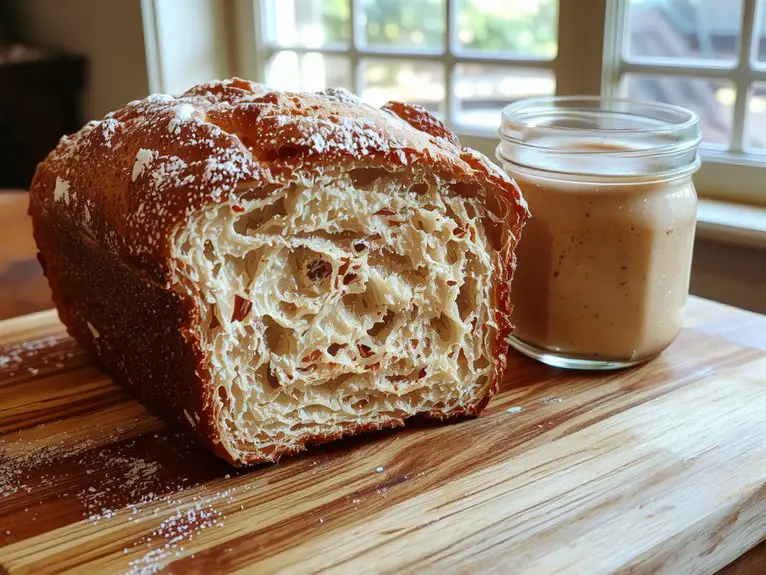
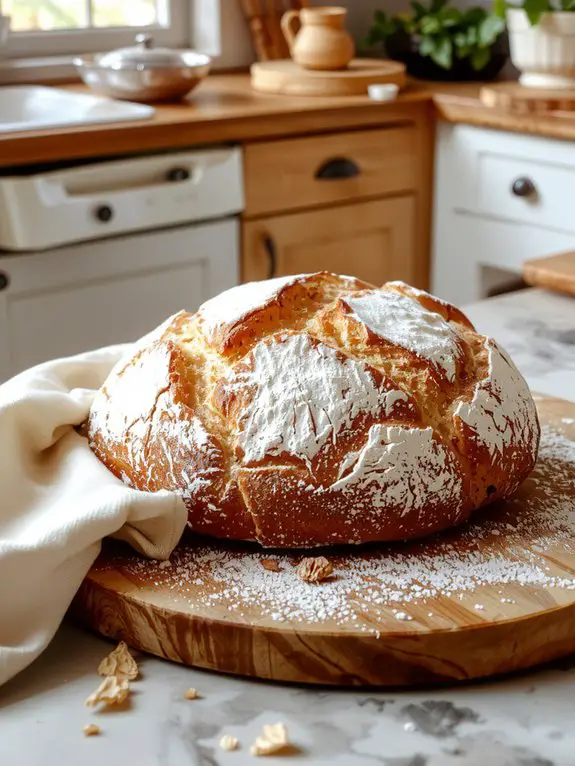
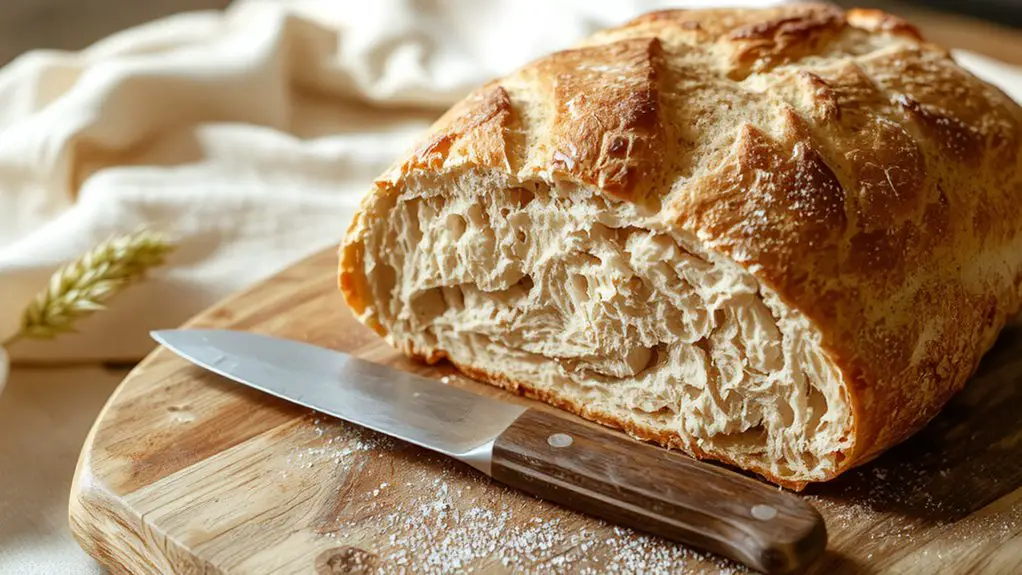
The result? A golden, crusty masterpiece with an airy, open crumb and that signature sourdough tang. Trust me, once you nail this, you’ll never look back. Let’s bake!
Ingredients
Great sourdough starts with simple, high-quality ingredients—each playing a vital role in flavor, texture, and that iconic rise. While sourdough is forgiving, a few key elements make all the difference. Here’s what you’ll need:
– Active sourdough starter – The heart of your loaf. It should be bubbly and doubled in size (fed 4–12 hours before mixing).
No starter? Mix equal parts flour and water, and let it ferment for 5–7 days, feeding daily.
- Bread flour (or all-purpose flour) – Bread flour’s higher protein content (12–14%) gives better structure and chew. All-purpose works but yields a slightly softer crumb.
- Whole wheat or rye flour (optional) – Adding 10–20% whole grain boosts depth of flavor. Rye adds earthy notes and accelerates fermentation.
- Water – Filtered or bottled is best if your tap water is heavily chlorinated, which can inhibit fermentation.
- Salt – Fine sea salt dissolves evenly. Don’t skip it—it controls yeast activity and enhances flavor.
- Rice flour (for dusting, optional) – Ideal for preventing sticking during baking; it won’t burn like regular flour.
Pro Tip: Weigh ingredients with a kitchen scale for precision—volume measurements (cups) can vary wildly.
And if your kitchen is cold, use lukewarm water (about 85°F/30°C) to give the dough a gentle fermentation boost.
How to Make the Best Classic Sourdough Loaf Recipe
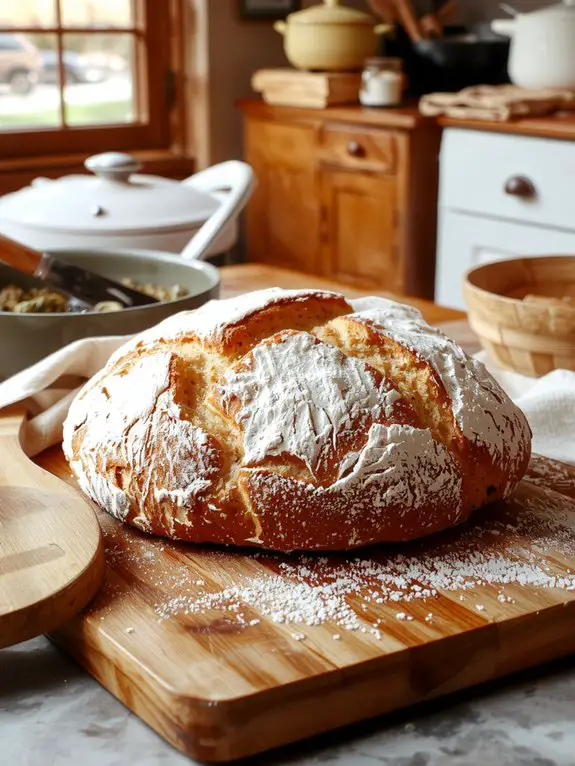
- Shape the dough: Turn the dough onto a lightly floured surface and shape it into a tight round or oval. *Be gentle to preserve the air bubbles.*
- Proof the loaf: Place the shaped dough into a floured banneton or bowl, cover, and let it proof at room temperature for 1-2 hours or in the fridge overnight.
*Cold proofing enhances flavor and makes scoring easier.*
+ Preheat and prepare: Preheat your oven to 475°F (245°C) with a Dutch oven or baking stone inside.
*The preheated vessel creates steam for a crisp crust.*
+ Score and bake: Carefully transfer the dough onto parchment paper, score the top with a sharp blade, and bake covered for 20 minutes.
Uncover and bake for another 20-25 minutes until deeply golden. *Scoring controls expansion and adds a professional touch.*
+ Cool completely: Let the loaf cool on a wire rack for at least an hour before slicing.
*Cutting too soon can make the bread gummy.*
*Watch out: Overproofing can lead to a flat loaf, so keep an eye on the dough during fermentation.*
Nutrition
Sourdough bread is a nutritious option for those looking for a wholesome, natural bread. Here are the nutritional values per slice (approximately 40g):
| Nutrient | Amount per Slice |
|---|---|
| Calories | 90 kcal |
| Protein | 3 g |
| Carbohydrates | 17 g |
| Dietary Fiber | 1 g |
| Sugars | 0.5 g |
| Fat | 0.5 g |
| Sodium | 150 mg |
Chef Tips
When you’re making sourdough, I always recommend keeping your starter at room temperature for at least a few hours before baking—it helps activate the yeast and improves rise.
Pay close attention to dough handling; gentle folds build strength without overworking.
Fermentation timing is key—let it rise until just bubbly, not collapsed.
A cold proof overnight enhances flavor and texture. Trust your instincts—sourdough’s forgiving!
Frequently Asked Questions
Can I Use Whole Wheat Flour Instead of All-Purpose Flour?
Yes, I can use whole wheat flour instead of all-purpose flour. It adds a deeper flavor variation and boosts nutritional benefit. I’ll just adjust hydration since whole wheat absorbs more water, but it’s totally worth it.
What if My Sourdough Starter Isn’T Bubbling?
If my sourdough starter isn’t bubbling, I check for starter issues like improper feeding or temperature. I troubleshoot fermentation by feeding it equal parts flour and water, keeping it warm, and waiting 12-24 hours for activity.
How Long Can I Store Sourdough Bread?
I can store sourdough bread for 4-5 days at room temp in a bread bag or wrapped in a towel. For storage tips, freeze slices in airtight bags for months. Freshness tricks include reheating slices to revive texture.
Can I Make Sourdough Without a Dutch Oven?
Yes, I can make sourdough without a Dutch oven. I’ll use oven alternatives like a baking stone, cast iron skillet, or even a regular baking sheet. My baking tips include covering the dough with foil to trap steam.
Why Is My Sourdough Bread Too Dense?
Your sourdough bread’s too dense because your dough’s hydration levels might be too low, or you’re not fermenting it long enough. A tighter crumb structure forms when there’s not enough air or moisture in the dough.