The Best Homemade Sourdough Starter Recipe
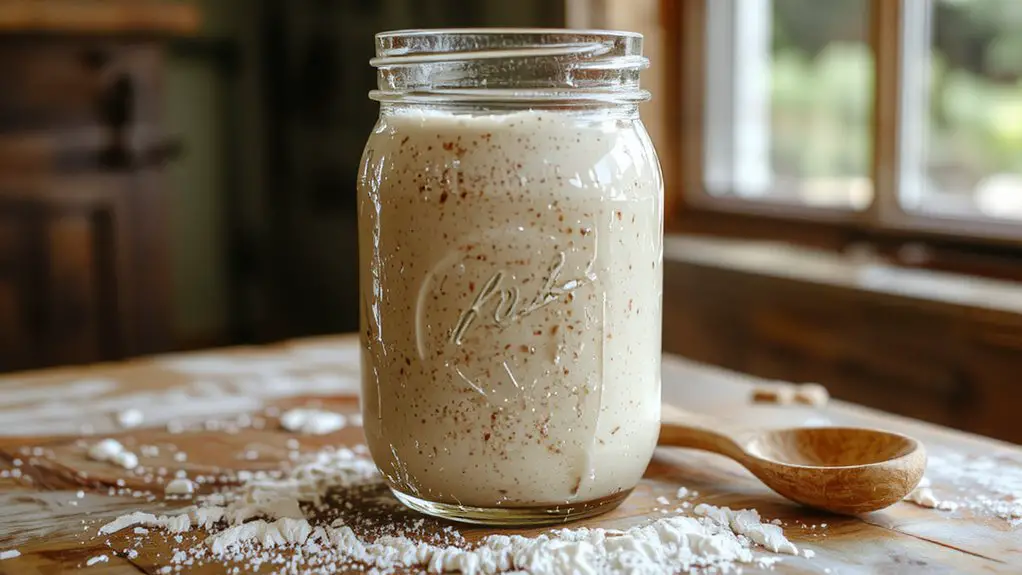
Recipe
Making your own sourdough starter is easier than you think—and once you taste that first slice of tangy, homemade bread, you’ll never look back.
This recipe is my go-to, perfected over years of trial and error, and I can confidently say it’s foolproof.
With just flour, water, and a little patience, you’ll create a bubbly, active starter that’s bursting with flavor.
The magic lies in its simplicity: no fancy ingredients, just time and love.
Imagine the smell of fresh sourdough wafting through your kitchen, the crackle of the crust as you slice into it, and the soft, chewy interior that’s perfectly tangy.
Trust me, once you start, you’ll wonder why you didn’t try it sooner.
Let’s get started—your bread game is about to level up!
Ingredients
The magic of sourdough starts with just two humble ingredients—flour and water—but the right choices here make all the difference. A strong starter relies on quality basics and a little patience. Here’s what you’ll need, plus insider tricks to set you up for success:
- Unbleached all-purpose flour or whole wheat flour – The foundation. Whole wheat kicks off fermentation faster (thanks to extra nutrients), but all-purpose works just as well long-term. *Pro tip:* Avoid bleached flour—it’s stripped of microbes your starter needs to thrive.
- Filtered or bottled water (room temperature) – Chlorine in tap water can hinder fermentation. If you must use tap, let it sit uncovered overnight to evaporate the chlorine.
- Optional boosters: A handful of raisins or a teaspoon of honey in the first feed can jumpstart yeast activity (remove them after 24 hours).
*Non-negotiable:* Consistency matters more than fancy flour—stick with the same type once your starter is active.
And *don’t* sub in gluten-free flour; it lacks the protein structure sourdough requires.
*Little win:* Use a kitchen scale (grams are best!) for precise ratios. Volume measurements can vary wildly, and sourdough loves precision.
How to Make the Best Classic Sourdough Starter Method
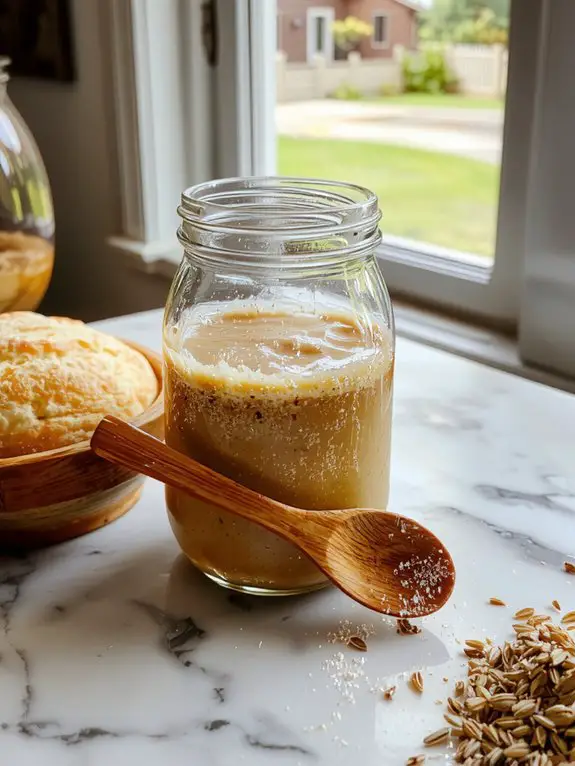
- Gather Your Ingredients: You’ll need just flour and water—nothing fancy! Use unbleached all-purpose or whole wheat flour for best results. The water should be filtered or bottled to avoid chlorine, which can hinder fermentation.
- Mix Equal Parts Flour and Water: Combine ½ cup flour with ½ cup water in a clean glass jar or bowl. Stir vigorously until smooth—no dry lumps should remain. This consistency guarantees even fermentation.
- Cover Lightly: Use a clean cloth, paper towel, or loose-fitting lid to cover the jar. This allows airflow while keeping dust and bugs out. A tight seal can suffocate your starter.
- Store in a Warm Spot: Place your starter in a warm area (70-75°F is ideal). Avoid direct sunlight or cold drafts, as extreme temperatures can slow fermentation. A kitchen countertop works perfectly.
- Feed Daily for 5-7 Days: Each day, discard half of the starter and add fresh flour and water in equal amounts (½ cup each). Stir well. This process removes waste products and encourages healthy yeast and bacteria growth.
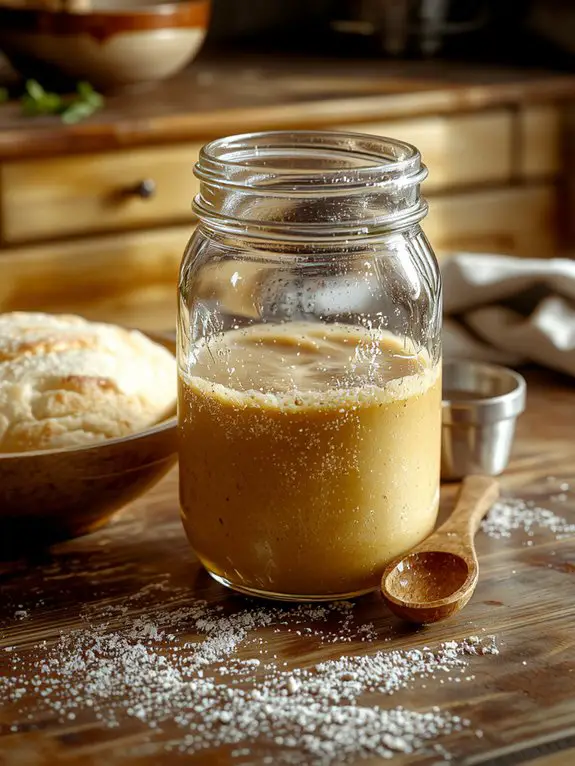
Over time, you’ll notice bubbles and a tangy smell—signs it’s working!
- Watch for Activity: After a few days, your starter should double in size within 6-8 hours after feeding. This indicates it’s active and ready to use. If it’s sluggish, try using whole wheat flour or moving it to a slightly warmer spot.
- Maintain Your Starter: Once active, store it in the fridge and feed it weekly. Before baking, take it out, feed it, and let it sit at room temperature until bubbly. This guarantees it’s ready to leaven your bread.
Note: If a gray liquid (called hooch) forms on top, just stir it back in—it’s a sign your starter is hungry!
Nutrition
Sourdough starter is a natural leavening agent made from flour and water. While the starter itself is not typically consumed in large quantities, it contributes to the nutritional profile of baked goods.
| Nutrient | Amount per 100g (approx.) |
|---|---|
| Calories | 50 |
| Carbohydrates | 10g |
| Protein | 2g |
| Fiber | 1g |
| Fat | 0.5g |
| Sodium | 5mg |
Chef Tips
When working with sourdough starter, I always recommend using a kitchen scale for accuracy—measuring by weight guarantees consistency in hydration levels.
Maintain temperature control by keeping your starter in a warm spot, ideally between 70-75°F.
Pay attention to hydration balance; too much water weakens the starter, while too little slows fermentation.
Stir it well to distribute yeast evenly and feed it regularly for peak activity.
Frequently Asked Questions
Can I Use Tap Water for My Sourdough Starter?
Yes, I use tap water, but I let it sit overnight to reduce chlorine effects. Water quality matters since chlorine can harm the wild yeast. If my tap water’s heavily treated, I’ll use filtered instead.
How Do I Store My Sourdough Starter Long-Term?
I store my sourdough starter long-term by vacuum sealing it after drying it into flakes, or freezing it in an airtight container for freezer storage—only thaw and feed it when I’m ready to bake again.
What Should I Do if My Starter Smells Bad?
If my starter smells bad, I’ll try starter troubleshooting first. I’ll discard half, feed it fresh flour and water, and observe. For odor solutions, I’ll keep it in a cooler spot and guarantee regular feedings.
Can I Use Whole Wheat Flour Instead of All-Purpose?
Yes, I can use whole wheat flour instead of all-purpose. Whole grains add more nutrients and create a robust starter. It’s a simple flour substitution, but I’ll adjust hydration since whole wheat absorbs more water.
How Do I Know if My Starter Is Inactive?
I know my starter’s inactive if it doesn’t bubble or rise after feeding—common sourdough troubleshooting signs. A sour smell or no growth in 24 hours also means it’s sluggish. I’ll check for these inactive starter signs first.