The Best Homemade Whole Wheat Bread Recipe

Recipe
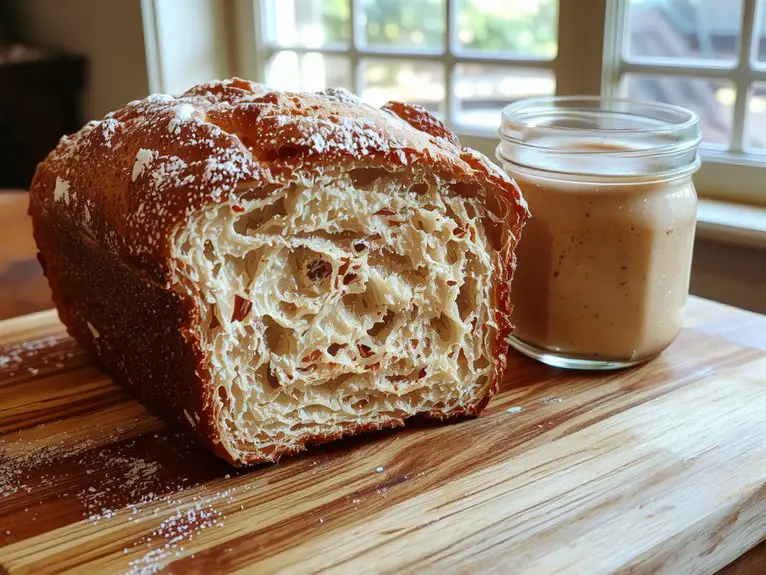
Crunchy crust, soft interior, and that unmistakable aroma of freshly baked bread—this homemade whole wheat bread is the real deal. I’ve made this recipe more times than I can count, and it never fails to impress.
What sets it apart? Simple, wholesome ingredients like stone-ground whole wheat flour and a touch of honey for natural sweetness. It’s the kind of bread that fills your kitchen with warmth and leaves you craving just one more slice.
Whether you’re a seasoned baker or a newbie, this recipe is straightforward and forgiving—trust me, you’ve got this.
Imagine tearing into a warm loaf, the nutty flavor balanced by a hint of richness from butter or olive oil. Once you taste it, store-bought bread will never compare.
Let’s get baking!
Ingredients
When it comes to making homemade whole wheat bread, the ingredients you choose can make or break the final product. Whole wheat flour, for instance, is the star of the show—it’s packed with nutrients and gives the bread its hearty, nutty flavor. But don’t skip the bread flour blend; it adds structure and helps the loaf rise beautifully. Here’s what you’ll need, along with some pro tips and swaps to make this recipe work for you:
- Whole wheat flour: Adds depth and texture. Opt for freshly milled if you can—it makes a world of difference.
- Bread flour: Mixes with whole wheat flour to create a lighter crumb. All-purpose flour can work, but bread flour is ideal.
- Active dry yeast: Essential for that perfect rise. Proof it in warm water (around 110°F) to verify it’s alive and kicking.
- Honey or maple syrup: Natural sweeteners that feed the yeast and add a subtle sweetness.
- Olive oil or melted butter: Keeps the bread moist and tender. Don’t skip this—it’s a game-changer.
- Salt: Balances the flavors and strengthens the gluten. Use fine sea salt for even distribution.
- Lukewarm water: Activates the yeast and hydrates the dough. Too hot or cold, and the yeast won’t perform.
- Optional mix-ins: Seeds, nuts, or dried fruit can elevate your loaf. Sesame seeds or oats on top add a bakery-style finish.
Pro Tip: If you’re new to whole wheat bread, start with a 50/50 blend of whole wheat and bread flour for a lighter texture.
And remember, letting the dough rest before kneading allows the flour to fully hydrate, making it easier to work with.
How to Make the Best Whole Wheat Bread Recipe Name
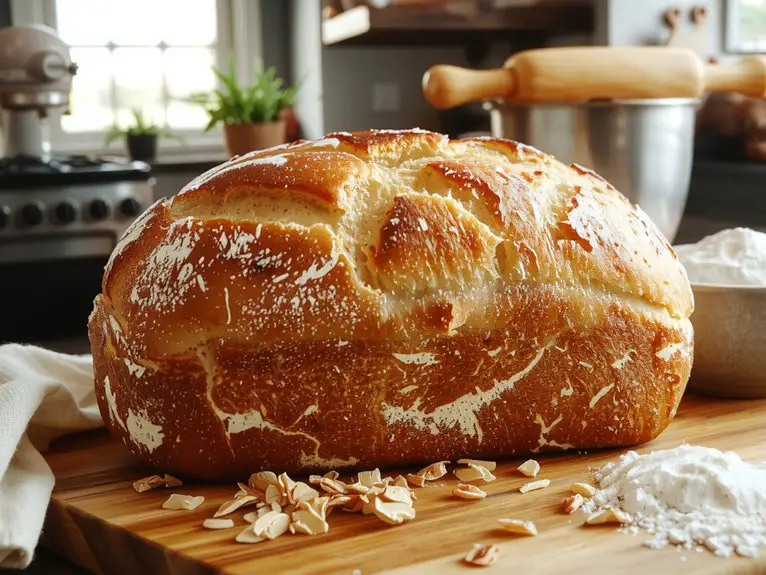
Shape the loaf – After the first rise, gently punch down the dough to release air bubbles. Shape it into a loaf and place it into a greased loaf pan. This guarantees even baking and a uniform shape.
Second rise – Cover the shaped dough with the damp cloth again and let it rise for another 30-45 minutes. It should rise just above the rim of the pan. Don’t rush this step—proper rising secures a soft crumb.
Preheat and bake – Preheat your oven to 375°F while the dough finishes rising. Bake the bread for 30-35 minutes until the top is golden brown and the loaf sounds hollow when tapped.
Cool before slicing – Let the bread cool in the pan for 10 minutes, then transfer it to a wire rack to cool completely. Slicing too soon can result in a gummy texture.
Store properly – Wrap the cooled bread in a clean cloth or store it in an airtight container. Whole wheat bread stays fresh for up to 3 days at room temperature or can be frozen for longer storage.
Pro tip: If you prefer a softer crust, brush the baked loaf with a little melted butter while it’s still warm. This adds flavor and keeps the crust tender.
Nutrition
Whole wheat bread is a nutritious choice for homemade baking. It provides essential nutrients and fiber.
| Nutrient | Amount per Slice |
|---|---|
| Calories | 70 |
| Protein | 3g |
| Carbohydrates | 13g |
| Fiber | 2g |
| Fat | 1g |
| Sodium | 120mg |
Chef Tips
Although baking whole wheat bread can seem intimidating, I’ve found a few tricks that make it easier and more successful.
First, soak the flour in water for 30 minutes to soften the bran. Use warm (not hot) water to activate the yeast properly.
Knead until the dough passes the windowpane test. Let it rise in a warm, draft-free spot.
These small steps guarantee a perfect loaf every time.
Frequently Asked Questions
Can I Use Instant Yeast Instead of Active Dry Yeast?
Yes, I can use instant yeast instead of active dry yeast. I’ll just remember there’s no need to dissolve it first—it mixes directly into the dry ingredients. I’ll adjust rising times a bit since it works faster.
Can I Substitute Honey for Sugar in This Recipe?
Yes, you can substitute honey for sugar—use ¾ cup honey for every 1 cup sugar and reduce other liquids by 2 tablespoons. Honey adds moisture and sweetness, so expect a slightly denser, richer loaf. Adjust baking time if needed.
How Long Does Homemade Whole Wheat Bread Stay Fresh?
Homemade whole wheat bread stays fresh for about 2-3 days if I keep it at room temperature in an airtight container. For longer freshness, I wrap and refrigerate it, or freeze slices for up to a month.
Can I Freeze This Bread After Baking?
Yes, I can freeze this bread after baking. First, I’ll let it cool completely, then wrap it tightly in plastic or foil, or use a freezer bag. It stays good frozen for up to three months.
What Can I Use if I Don’T Have a Bread Machine?
If I don’t have a bread machine, I’ll knead the dough by hand or use a stand mixer with a dough hook. It’s easy—just mix, knead, let it rise, shape, and bake it in my oven.